

DNA plays a significant role in how the body processes nutrients, responds to different foods, and manages overall wellness. As interest in personalized health continues to grow, DNA-based nutrition analysis has become an innovative approach to understanding individual dietary needs. A DNA Nutrition Test in Dubai is often discussed as a modern way to explore how genetic information may influence food choices, nutrient absorption, metabolism, and long-term health goals. Rather than relying on generalized dietary advice, this scientific approach focuses on creating nutritional strategies tailored to an individual's unique genetic profile.
Understanding the Connection Between DNA and Nutrition
Every person carries a unique set of genes that can affect how the body responds to nutrients. These genetic variations may influence factors such as vitamin utilization, sensitivity to certain foods, metabolism speed, and energy production.
Nutrigenomics is the field of science that studies the relationship between genes and nutrition. Researchers in this field examine how genetic traits interact with dietary habits and how nutrition can support optimal body function. By understanding these interactions, individuals can gain valuable insights into dietary patterns that may suit their biological makeup.
What Is DNA Nutrition Testing?
DNA nutrition testing is a scientific process designed to evaluate specific genetic markers linked to nutrition and metabolism. The analysis focuses on genes associated with how the body processes fats, carbohydrates, proteins, vitamins, and minerals.
The information gathered from the test helps create a clearer picture of individual nutritional tendencies. This personalized understanding allows dietary recommendations to be aligned with genetic characteristics rather than broad dietary guidelines.
The Science Behind Personalized Diets
Personalized diets are based on the principle that genetic differences can influence nutritional requirements. While two individuals may follow the same eating plan, their bodies can respond differently due to variations in their genetic code.
Scientists study gene variants that affect:
- Nutrient absorption
- Energy utilization
- Fat metabolism
- Carbohydrate processing
- Appetite regulation
- Vitamin requirements
- Exercise response
These insights help explain why some individuals thrive on certain dietary patterns while others may experience different outcomes.
How DNA Nutrition Testing Works
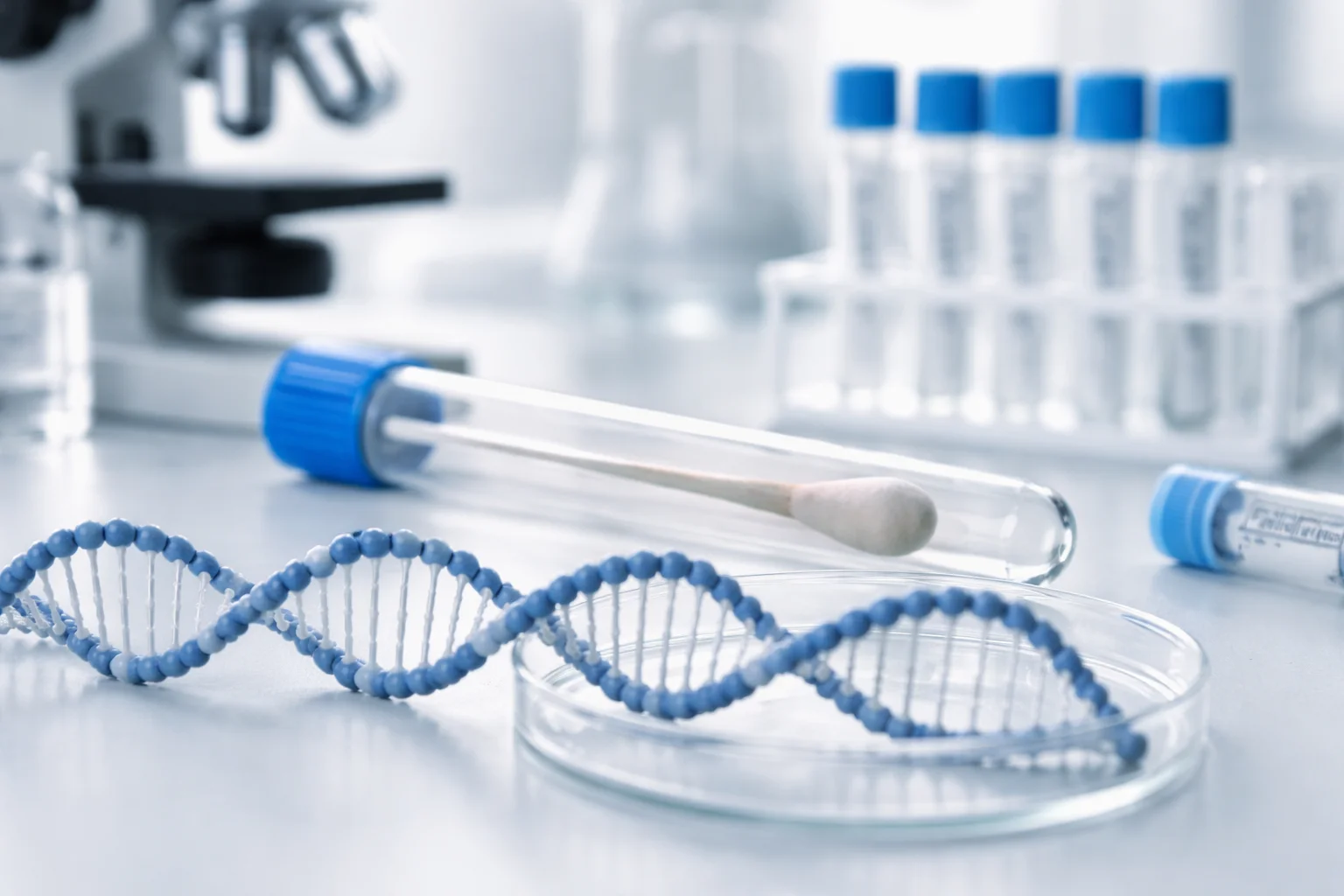
The testing process is designed to be simple and efficient. A sample containing genetic material is collected and analyzed in a specialized laboratory.
The process generally involves:
- Collecting a DNA sample
- Examining selected genetic markers
- Identifying nutrition-related gene variations
- Generating a detailed nutritional profile
- Providing personalized dietary insights
The final report presents information about how genes may influence nutritional needs and lifestyle choices.
Key Areas Evaluated During DNA Nutrition Testing
DNA nutrition analysis focuses on several important aspects of health and nutrition.
Metabolism Patterns
Genetic factors can influence how efficiently the body converts food into energy. Understanding metabolic tendencies may help guide dietary planning and meal composition.
Carbohydrate Processing
Some genetic variations affect how carbohydrates are utilized within the body. Insights into carbohydrate metabolism can help create balanced nutritional approaches.
Fat Utilization
Genes may influence how dietary fats are processed and stored. Understanding these patterns helps personalize dietary recommendations.
Protein Requirements
Protein metabolism varies among individuals. Genetic information can provide clues about how the body uses protein for growth, repair, and overall function.
Vitamin and Mineral Needs
Certain genes affect the body's ability to absorb and utilize vitamins and minerals. Personalized insights can support more informed nutritional decisions.
Food Sensitivities
Genetic markers may indicate tendencies related to the digestion of specific foods, helping individuals better understand their nutritional preferences.
Benefits of DNA-Based Personalized Nutrition
One of the primary advantages of DNA nutrition testing is the ability to move beyond generic dietary recommendations.
Personalized nutrition may help individuals:
- Understand unique nutritional needs
- Develop targeted dietary strategies
- Support balanced eating habits
- Improve awareness of nutrient requirements
- Enhance long-term wellness planning
- Make informed lifestyle choices
These benefits contribute to a more individualized approach to nutrition and overall health management.
The Role of Nutrigenomics in Modern Health
Nutrigenomics continues to transform the understanding of nutrition science. Researchers now recognize that genetics can provide valuable insights into how dietary habits influence overall wellness.
As scientific knowledge expands, personalized nutrition is becoming an increasingly important component of preventive health strategies. By combining genetic information with healthy lifestyle practices, individuals can create more informed approaches to nutrition.
Personalized Diet Planning Through Genetic Insights
Genetic information can serve as a foundation for developing customized dietary plans. Rather than following trends or one-size-fits-all recommendations, individuals can focus on nutritional approaches that align with their biological characteristics.
Personalized diet planning may involve:
- Selecting suitable nutrient ratios
- Adjusting meal structures
- Understanding nutrient priorities
- Supporting energy management
- Optimizing dietary balance
These strategies help create a more individualized nutritional experience.
How Genetics Influence Long-Term Wellness
Genetics provide valuable information about how the body functions, but they represent only one piece of the health puzzle. Lifestyle choices, physical activity, sleep quality, and dietary habits also contribute significantly to overall wellness.
DNA nutrition testing helps individuals understand their genetic tendencies while encouraging informed decisions that support healthy living. This combination of knowledge and action can contribute to long-term health awareness.
Frequently Asked Questions
What does DNA nutrition testing analyze?
DNA nutrition testing analyzes specific genetic markers related to nutrient metabolism, vitamin utilization, food processing, and other nutrition-related characteristics.
Can personalized diets be based on genetic information?
Yes, personalized diets can incorporate genetic insights to help guide nutritional choices and dietary planning according to individual biological traits.
Is DNA nutrition testing useful for healthy individuals?
Many healthy individuals use DNA nutrition testing to better understand their nutritional tendencies and make more informed dietary decisions.
How does nutrigenomics support personalized nutrition?
Nutrigenomics studies the interaction between genes and nutrition, helping researchers understand how genetic differences influence dietary responses.
Does genetics determine all nutritional outcomes?
No. Genetics provides important insights, but lifestyle habits, physical activity, environmental factors, and dietary choices also play significant roles in overall health.
Future Perspectives of DNA Nutrition Science
Advancements in genetic research continue to expand the possibilities of personalized nutrition. Scientists are discovering new connections between genes and dietary responses, creating opportunities for increasingly precise nutritional guidance. As awareness grows, many people explore DNA Nutrition Test in Dubai as part of a broader effort to understand their unique nutritional profile and make evidence-based lifestyle choices. The integration of genetics and nutrition represents a forward-thinking approach that aligns scientific innovation with individual wellness goals.
Conclusion
DNA nutrition testing represents a fascinating advancement in the field of personalized health and nutrition. By examining genetic markers associated with nutrient metabolism, dietary responses, and wellness characteristics, this scientific approach offers valuable insights into individual nutritional needs. The growing field of nutrigenomics continues to reveal how genetics and nutrition interact, helping create more customized dietary strategies. Through a deeper understanding of genetic individuality, people can develop informed, balanced, and sustainable nutrition plans that support overall well-being, encourage healthier lifestyle decisions, enhance nutritional awareness, and contribute to a more personalized path toward lifelong vitality and wellness.