
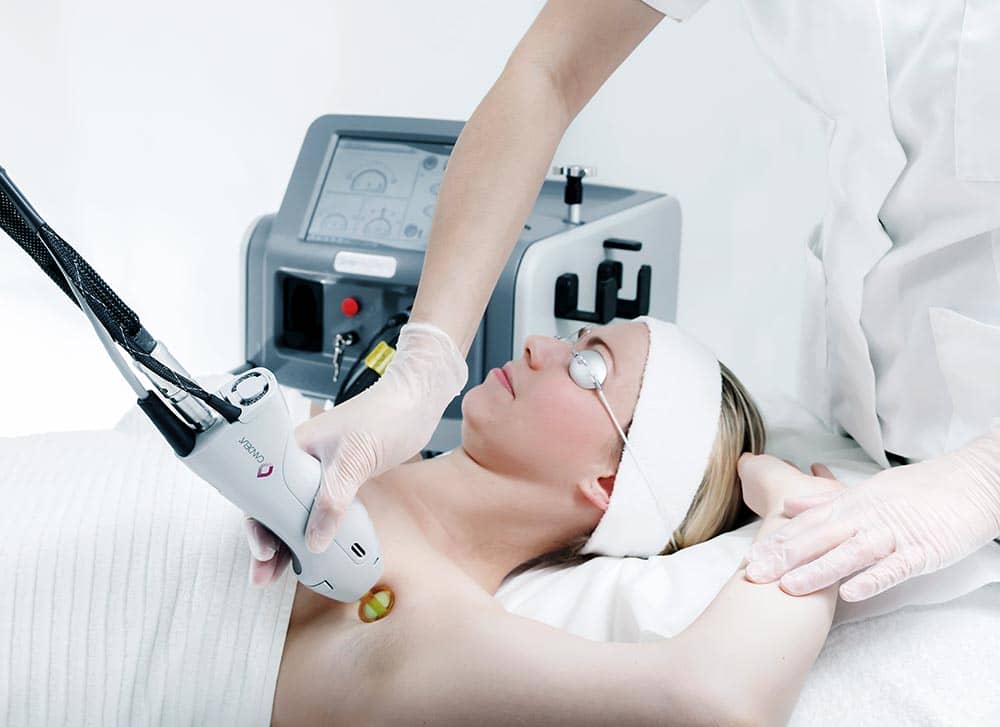
Understanding whether certain cosmetic treatments are permissible in Islam can be complex, especially when it comes to procedures like laser hair removal. Many wonder, Is laser hair removal haram in Dubai or allowed under Islamic principles? Muslims often turn to religious texts, scholars, and traditional interpretations to guide their decisions. This article explores how Muslims approach the topic of laser hair removal, considering ethical, religious, and practical perspectives.
The Basics of Islamic Guidance on Cosmetic Treatments
Islamic teachings emphasize modesty, personal hygiene, and avoiding harm. When assessing cosmetic procedures, Muslims evaluate whether an action alters the natural creation unnecessarily. Treatments intended purely for medical or hygienic reasons are generally more accepted, while those perceived as altering Allah’s creation for vanity can be viewed critically.
Understanding Laser Hair Removal
Laser hair removal is a procedure designed to reduce unwanted hair by using light energy to target hair follicles. It is often chosen for convenience, hygiene, and long-term hair reduction. While the treatment itself is medically non-invasive, religious considerations come into play regarding intention and necessity.
Key Factors in Deciding Permissibility
Intention Matters
In Islam, intention (niyyah) plays a significant role in determining the permissibility of any action. If a person seeks laser hair removal for health, hygiene, or cleanliness, scholars may view it differently than if it is done solely for vanity.
Respecting Natural Creation
Some Islamic scholars argue that altering the natural hair growth pattern without necessity may be considered changing Allah’s creation. This principle often guides whether laser hair removal is seen as haram.
Gender-Specific Considerations
There may be differences in opinion depending on gender. For women, some scholars are more lenient if hair removal enhances cleanliness and fulfills social or marital norms. For men, removing hair in certain areas may be subject to stricter interpretations.
Consultation with Knowledgeable Scholars
Many Muslims seek guidance from qualified scholars or religious authorities. Consulting knowledgeable individuals ensures that decisions are grounded in authentic teachings rather than misconceptions or popular trends.
Common Misconceptions About Laser Hair Removal
Cosmetic vs. Medical Purpose
A frequent misconception is that any cosmetic procedure is automatically haram. In reality, Islamic rulings often distinguish between treatments done for genuine reasons versus mere vanity.
Permanence and Alteration
Some believe that because laser hair removal has lasting effects, it is forbidden. However, religious interpretations vary on whether permanence alone makes a treatment haram.
Frequently Asked Questions
What Makes Laser Hair Removal Haram?
The perception of haram arises mainly from concerns about altering the natural creation without necessity or doing so for excessive vanity. Scholars emphasize intention and the balance between self-care and modifying one’s natural body.
Can Laser Hair Removal Be Considered Permissible?
Yes, in some cases it can be permissible if the procedure is done for hygiene, medical reasons, or to avoid discomfort. The key is aligning the intention with acceptable Islamic principles.
Are There Alternatives Within Islamic Guidelines?
Shaving, trimming, or temporary hair removal methods are often viewed as permissible because they do not permanently alter the body’s natural state. However, they may require regular upkeep.
Combining Religious Considerations With Practical Choices
Muslims often weigh practical benefits alongside religious guidance. Laser hair removal offers convenience, long-term results, and less frequent maintenance compared to temporary methods. Balancing these advantages with ethical and religious considerations allows individuals to make informed choices.
Evaluating Personal Needs
Assessing personal hygiene, skin sensitivity, and lifestyle helps individuals decide whether the treatment aligns with their values.
Considering Social Norms
Cultural and social expectations may influence decisions. However, these factors are secondary to religious principles in Islamic decision-making.
Scholarly Opinions and Interpretations
Different scholars offer varying perspectives on laser hair removal. While some deem it haram due to permanent alteration, others permit it under specific circumstances. The diversity of opinion highlights the importance of personal research and consultation.
Role of Fatwas
Fatwas provide official guidance on modern issues. Many fatwas emphasize intention and necessity, helping Muslims navigate new technologies like laser treatments.
Importance of Knowledge
Staying informed about religious teachings and contemporary practices empowers individuals to make choices confidently and responsibly.
Conclusion
Deciding whether Is laser hair removal haram involves a thoughtful balance between religious principles, personal intentions, and practical benefits. Muslims consider intention, necessity, and respect for natural creation when evaluating the permissibility of such treatments. By consulting knowledgeable scholars and reflecting on personal needs, individuals can make informed decisions that align with their faith and lifestyle. As technology advances, discussions around procedures like laser hair removal continue to evolve, allowing for nuanced perspectives on whether is laser hair removal haram in Dubai or elsewhere fits within Islamic guidelines.