
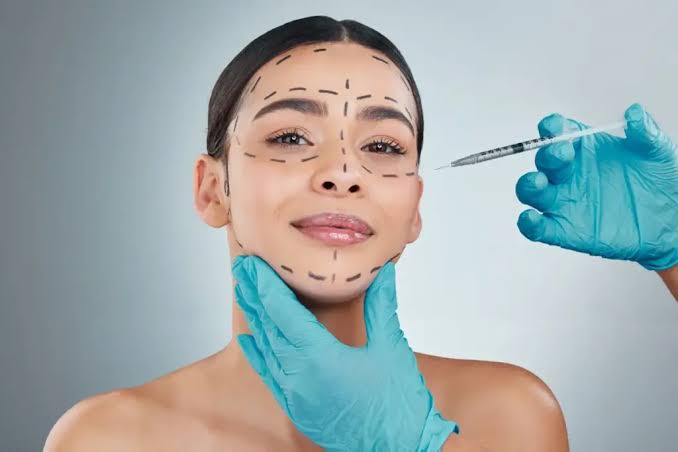
Age plays an important role in how the body responds to cosmetic procedures and how long the results may last. As people grow older, changes in skin elasticity, facial structure, and tissue recovery can influence the outcome of surgery. Understanding these factors helps individuals develop realistic expectations and make informed decisions. Plastic Surgery Dubai is often considered by adults seeking improvements in facial appearance, body contours, or age-related changes. However, the suitability of a procedure depends on overall health, skin condition, and personal goals rather than age alone.
Why Age Matters in Plastic Surgery
The skin naturally changes throughout life. Younger skin generally has greater elasticity, while mature skin may have reduced firmness and slower collagen production. These changes can affect how tissues respond to surgical adjustments and how the final appearance develops.
Age can also influence muscle tone, facial volume, and the distribution of body fat. A person seeking facial rejuvenation may have different needs from someone interested in improving body contours. A personalized assessment helps determine which approach is appropriate for the individual.
How Younger Adults Experience Cosmetic Surgery
Younger adults may consider cosmetic surgery to address specific concerns involving facial proportions, body shape, or features that have remained unchanged despite healthy habits. Their skin may retain more natural elasticity, which can support a smooth appearance after certain procedures.
However, younger age does not automatically guarantee better results. The quality of the skin, genetic factors, lifestyle, and the individual's expectations remain important considerations. Some people may benefit from a subtle adjustment, while others may need to wait until their physical development is complete.
Facial Procedures in Younger Adults
Facial procedures may focus on improving proportions or refining features that affect personal confidence. When skin quality is favorable, the tissues may adapt well to carefully planned changes.
A thorough evaluation helps ensure that the desired improvement matches the individual's facial structure and long-term goals.
Body Contouring in Younger Adults
Body contouring may be considered when a person has localized areas of excess skin or tissue that do not respond to ordinary lifestyle changes. Younger skin may have greater capacity to adapt to changes in body shape.
The suitability of treatment depends on body stability, tissue quality, and whether the individual has realistic expectations about the final appearance.
How Middle Age Influences Surgical Results
During middle age, visible changes in skin firmness, facial volume, and muscle support may become more noticeable. These changes can influence the type of procedure selected and the amount of tissue adjustment required.
Many adults in this stage seek improvements that preserve their natural appearance. The goal may involve refreshing facial contours, addressing loose skin, or restoring balance between different facial features.
Skin Elasticity and Tissue Support
Skin elasticity gradually decreases with age. When tissues have reduced firmness, the final result may depend more heavily on the individual's existing skin quality and the amount of structural support available.
A careful assessment helps establish whether the desired improvement can be achieved through a particular procedure.
Facial Volume Changes
Facial volume naturally changes over time. Some areas may lose fullness, while others may develop a heavier appearance because of tissue descent or changes in fat distribution.
Understanding these changes allows treatment planning to focus on overall facial harmony rather than a single isolated feature.
How Older Age Affects Plastic Surgery Outcomes
Older adults may still achieve meaningful improvements through carefully selected cosmetic procedures. Age alone does not determine whether someone is a suitable candidate. General health, physical readiness, skin condition, and personal expectations are more important factors.
Mature skin may require a more individualized approach because its elasticity and tissue response differ from those of younger adults. The treatment plan may therefore focus on achieving balanced, natural-looking changes that complement the person's existing features.
Skin Quality in Mature Adults
Mature skin often has reduced collagen production and less elasticity. These characteristics can influence how the skin adapts to changes in underlying tissue.
A consultation helps assess skin thickness, firmness, and the relationship between the skin and supporting structures. This information supports realistic planning and helps explain what type of improvement may be achievable.
Facial Structure and Age-Related Changes
Age-related changes can affect the forehead, cheeks, jawline, neck, and other facial areas. A procedure that addresses one concern may not fully address changes in another area.
For this reason, an individualized evaluation is important when planning facial rejuvenation. The focus remains on creating a result that fits the person's natural appearance.
Does Age Affect the Recovery Process?
Age may influence the pace of recovery because the body's ability to repair tissues can change over time. Younger individuals may experience a different recovery pattern from older adults, although recovery varies considerably between people.
General health, circulation, nutrition, physical activity, and the complexity of the procedure can all affect the healing process. A qualified medical professional can explain the expected recovery timeline based on the individual's circumstances.
Factors That Influence Recovery
Several factors may affect how the body responds after surgery:
- Overall physical health and fitness
- Skin elasticity and tissue quality
- The type and extent of the procedure
- Existing medical conditions
- Individual healing characteristics
- The body's ability to respond to surgical changes
These factors help explain why two people of the same age may experience different recovery timelines.
What Are the Benefits of Age-Appropriate Plastic Surgery?
When a procedure is selected according to the individual's needs, it may support improvements in appearance, facial balance, and body contours. The benefits depend on the treatment goal and the person's existing anatomy.
Age-appropriate planning can help individuals choose a procedure that aligns with their physical condition and expectations. It may also support a more natural-looking outcome by taking existing tissue changes into account.
Improved Facial Balance
Facial procedures may help refine proportions or address changes in facial contours. The goal is usually to create a balanced appearance rather than produce an exaggerated transformation.
Refined Body Contours
Body procedures may help address concerns involving localized tissue or changes in body shape. The outcome depends on the person's anatomy, skin quality, and treatment goals.
Greater Confidence
A well-planned cosmetic procedure may help an individual feel more comfortable with their appearance. Confidence often develops when the result reflects personal preferences and realistic expectations.
How Should Adults Prepare for a Cosmetic Procedure?
Preparation begins with an honest discussion about the individual's goals, health history, and expectations. A medical evaluation helps identify factors that may influence treatment suitability.
Adults should also consider whether they are physically and emotionally ready for the procedure. A clear understanding of the process, expected results, and recovery requirements can support better decision-making.
Importance of a Personalized Consultation
A consultation allows the medical professional to assess the individual's age-related changes, skin condition, and overall health. It also provides an opportunity to discuss the desired outcome and determine whether the selected procedure is appropriate.
This process helps create a treatment plan based on the person's unique needs rather than relying on age as the only deciding factor.
Frequently Asked Questions
Is There an Ideal Age for Plastic Surgery?
There is no single ideal age for every cosmetic procedure. Suitability depends on physical maturity, overall health, skin quality, and the individual's goals. A medical assessment helps determine whether the procedure is appropriate.
Can Older Adults Still Achieve Natural-Looking Results?
Yes, older adults may achieve natural-looking improvements when treatment is selected according to their anatomy and expectations. Skin quality, tissue support, and overall health influence the outcome.
Does Younger Skin Always Produce Better Results?
Younger skin may have greater elasticity, but it does not guarantee a better result. Surgical planning, tissue quality, individual anatomy, and realistic expectations remain important at every age.
How Does Age Influence the Choice of Procedure?
Age-related changes may influence the type of procedure that best addresses an individual's concerns. A personalized consultation helps identify the most suitable approach for the person's facial or body characteristics.
Conclusion
Age can influence plastic surgery results through changes in skin elasticity, tissue support, facial volume, and recovery capacity. However, successful outcomes depend on much more than a person's age. A carefully planned procedure, realistic expectations, and an individualized medical assessment help support results that complement the person's natural appearance. Understanding these factors allows adults to approach cosmetic surgery with greater confidence and a clearer understanding of what the treatment may achieve.