
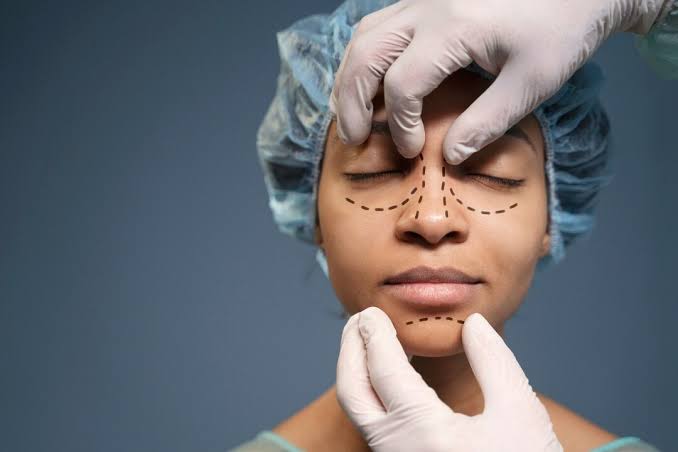
A decision about changing, restoring, or refining a physical feature often begins with curiosity and careful consideration. Plastic Surgery Dubai generally works through a structured process that connects a person’s goals with an appropriate surgical approach. Rather than being a single procedure, plastic surgery includes different treatments designed for particular areas of the body and face. The overall journey usually involves assessment, planning, preparation, treatment, recovery, and observation. Understanding how these stages fit together can make the experience easier to understand and help a person approach the decision with realistic expectations.
Understanding the Purpose of Plastic Surgery
Plastic surgery can be performed for different personal and functional reasons. Some procedures focus on reshaping a particular feature, while others may restore an area affected by injury, changes in body structure, or previous procedures. The central aim is to create a result that suits the individual rather than follow a universal appearance.
Each person has different anatomical characteristics, proportions, skin qualities, and aesthetic preferences. For this reason, the same surgical technique may not be appropriate for everyone. Treatment planning is generally shaped around the individual’s physical structure and desired outcome.
How the Initial Consultation Works
The consultation is an important part of the surgical journey because it establishes a clear understanding between the patient and the surgical team. During this stage, the desired change can be discussed in detail, while the existing anatomy is assessed to determine what may be realistically achieved.
The discussion may include the treatment area, preferred appearance, medical background, previous procedures, lifestyle considerations, and general expectations. Questions about the surgical technique and recovery timeline can also be addressed.
A detailed consultation helps transform a general cosmetic goal into a more practical treatment plan. It also gives the patient an opportunity to understand what the procedure can and cannot accomplish.
How Treatment Planning Takes Shape
Once the treatment goals are understood, a personalized surgical plan can be developed. The plan may consider the specific area being treated, the amount of reshaping required, tissue characteristics, and the desired degree of change.
Planning can also involve determining the appropriate surgical technique. Some procedures require tissue removal, while others involve reshaping, repositioning, reconstruction, or a combination of techniques. The selected approach depends on the treatment objective and individual anatomy.
Good planning is important because it provides structure to the entire process. It helps ensure that the treatment is focused on the patient’s needs instead of relying on a standard approach.
What Happens During Plastic Surgery?
During surgery, the planned technique is carried out in a controlled medical environment. The exact process varies considerably according to the procedure and treatment area.
Facial procedures may involve reshaping or repositioning selected tissues to create more balanced contours. Body procedures may involve removing excess tissue, tightening selected areas, or changing proportions. Reconstructive procedures can focus on restoring structure and function where tissue has been damaged or altered.
The surgical method is selected according to the intended result. Incisions, tissue manipulation, suturing, and other surgical techniques may be used where appropriate. The procedure is performed according to the established treatment plan, with attention given to anatomical structure and overall balance.
Two Broad Types of Treatment
Plastic surgery can broadly be understood through two major areas: reconstructive treatment and aesthetic treatment. Although both involve surgical techniques, their primary goals can differ.
Reconstructive treatment is generally focused on restoring or improving physical structure and function following conditions such as congenital differences, injuries, burns, or tissue changes. The objective is often connected with restoring normal form and useful function.
Aesthetic treatment, on the other hand, is usually chosen to modify or refine a physical feature according to personal preferences. Common examples include procedures involving the nose, eyelids, face, breasts, abdomen, or other body areas.
Both approaches rely on careful assessment and individualized planning. The distinction mainly lies in the reason for treatment and the desired outcome.
How Facial Procedures Can Work
Facial plastic surgery may focus on creating greater harmony between facial features. Depending on the procedure, selected tissue may be reshaped, repositioned, reduced, or removed.
For example, nasal surgery can alter the structure of the nose, while eyelid surgery may address excess tissue around the upper or lower eyelids. Facial rejuvenation procedures may focus on improving the appearance of loose or displaced tissues.
The goal is not necessarily to create dramatic change. In many cases, careful refinement is intended to maintain recognizable facial characteristics while improving overall proportion.
How Body Procedures Can Work
Body plastic surgery can address areas where reshaping or tissue modification is desired. Procedures may involve the abdomen, breasts, arms, thighs, or other regions.
Depending on the treatment, surgery may remove excess skin, reposition tissue, reshape contours, or restore proportions. The approach is selected according to the individual’s anatomy and the intended result.
Body procedures can involve several layers of tissue, which means treatment planning requires attention to overall body structure rather than focusing only on the surface appearance.
What Recovery Generally Involves
Recovery is a gradual stage in which the treated tissues adjust following surgery. The length and experience of recovery depend on the procedure, the treatment area, the extent of surgical changes, and individual healing characteristics.
Temporary changes in appearance are common during the early recovery period as the body adapts to the surgical changes. The final appearance may become clearer gradually rather than immediately.
Follow-up appointments are generally used to observe healing and assess progress. These appointments allow the surgical team to determine how the treated area is developing over time.
Why Expectations Matter
Realistic expectations are an important part of successful treatment planning. Plastic surgery can modify physical features, but it cannot completely redesign a person’s natural anatomy.
A clear understanding of achievable outcomes can help patients make thoughtful decisions. The most satisfying results are often those that complement existing features instead of creating an appearance that feels disconnected from the individual.
Patients may also need time to understand that surgical results can develop gradually. Patience during the recovery period can help provide a more accurate perspective on the outcome.
What Factors Influence the Treatment Process?
Several factors can influence how plastic surgery is planned and performed. Individual anatomy is one of the most important considerations, but lifestyle, general health, previous procedures, skin characteristics, and personal goals can also influence the approach.
The treatment area is another major factor. Facial surgery and body surgery involve different anatomical structures and therefore require different techniques.
The complexity of the desired change can also influence the surgical plan. A subtle refinement may require a different approach from extensive reshaping or reconstruction.
Common Questions About the Process
Is Plastic Surgery Suitable for Everyone?
Suitability depends on individual circumstances, treatment goals, general health, and realistic expectations. A proper assessment is needed before determining whether a particular procedure is appropriate.
How Long Does the Process Take?
The timeline varies according to the procedure. Consultation and planning occur before surgery, while recovery continues afterward. Some procedures are relatively straightforward, whereas more extensive operations may require a longer recovery period.
Does Plastic Surgery Always Create a Dramatic Change?
No. Many procedures are designed to produce subtle refinements. The intended outcome may involve improving proportion, symmetry, contour, or overall balance rather than creating a completely different appearance.
Can Different Procedures Be Combined?
In selected situations, multiple procedures may be considered together. Whether this is appropriate depends on the person’s anatomy, treatment goals, overall health, and the complexity of the proposed surgical plan.
When Does the Final Result Become Visible?
The final result usually develops progressively. Initial changes may not represent the eventual appearance because tissues can require time to settle and adapt following surgery.
Conclusion
Plastic Surgery Dubai works through a personalized sequence that begins with understanding the patient’s goals and anatomy and continues through careful planning, surgical treatment, recovery, and follow-up. Reconstructive and aesthetic procedures can serve different purposes, yet both depend on thoughtful assessment and realistic expectations. By understanding how consultation, treatment selection, surgery, and recovery connect, individuals can approach the process with greater confidence and a clearer understanding of what the journey involves.