
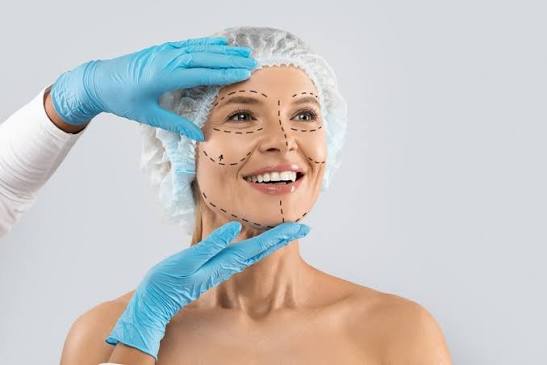
Plastic surgery recovery is an important part of the overall transformation process, and understanding what happens during this period can help individuals feel more prepared and confident. The recovery journey generally involves gradual healing, changes in comfort and appearance, and a steady return to normal activities. For people researching Plastic Surgery Dubai, learning how recovery works can make the entire experience easier to understand. Although every procedure and individual is different, recovery usually follows a structured pattern that allows the body to heal naturally while the treated area gradually settles into its intended appearance.
Understanding the Plastic Surgery Recovery Process
Recovery begins immediately after a procedure and continues through several stages. The body naturally responds to surgical changes by beginning its healing process. During the early period, the treated area may require rest and limited movement while the tissues start repairing themselves.
As healing progresses, the body gradually adapts to the changes created during surgery. The appearance can evolve from one stage to another, meaning the initial result may not represent the final outcome. Patience is therefore an important part of the recovery experience.
The Early Recovery Stage
The first stage usually focuses on rest, observation, and allowing the body to begin healing. Individuals may notice temporary changes in the treated area as the body responds to the procedure.
This stage can involve:
- A need for additional rest
- Temporary changes in the appearance of the treated area
- Gradual improvement in comfort
- Reduced physical activity
- Regular attention to the healing area
The exact experience depends on the type of surgery, the area treated, and the individual's general health and healing pattern.
How Healing Progresses Over Time
Recovery is rarely an overnight process. Instead, healing develops gradually as tissues repair and adjust. Some people may notice visible improvements relatively early, while others may require more time before the treated area looks settled.
During the middle stages of recovery, normal movement and everyday routines may gradually become easier. The body continues remodeling tissues, and the appearance may become more refined as healing advances.
Returning to Normal Activities
One of the most important aspects of recovery is knowing when normal activities can resume. Physical activity is generally introduced gradually rather than immediately. Everyday movements may become easier first, followed by more demanding activities when the body is sufficiently recovered.
The appropriate timeline can vary according to:
- The type and extent of surgery
- The body area involved
- The individual's healing response
- The level of physical activity required
- The progress observed during follow-up evaluations
A gradual return to activities helps support the body's natural healing process.
Why Rest Matters During Recovery
Rest gives the body time to direct energy toward tissue repair. Adequate sleep and a comfortable routine can make the recovery period easier to manage.
Individuals often benefit from arranging their schedules around a slower pace during the initial recovery period. Avoiding unnecessary physical strain can also help create a more comfortable environment for healing.
The Role of Follow-Up Evaluations
Follow-up evaluations are an important part of surgical recovery. They allow the healing process to be observed and help determine whether recovery is progressing as expected.
During these appointments, the treated area may be assessed, healing progress may be discussed, and activity recommendations may be adjusted. Follow-up care also gives individuals an opportunity to ask questions about changes they notice during recovery.
Recovery and Changes in Appearance
Appearance can change considerably throughout recovery. Early results may look different from the eventual outcome because the tissues need time to settle.
As healing continues, the treated area can gradually appear more natural and balanced. This is why judging the final result too quickly may create unrealistic expectations. A longer recovery period often provides a clearer picture of the outcome.
Emotional Changes During Recovery
Recovery can involve emotional changes as well as physical changes. Individuals may feel excited when they first notice improvements, while temporary changes during healing can sometimes create uncertainty.
A realistic understanding of the recovery timeline can help maintain confidence. Recognizing that gradual progress is normal allows individuals to focus on long-term healing rather than temporary appearances.
Factors That Can Influence Recovery
Several factors may influence how quickly and comfortably an individual progresses through recovery. General health, age, the type of procedure, the extent of tissue changes, lifestyle habits, and the body's natural healing response can all play a role.
Personal expectations can also influence the recovery experience. Someone expecting immediate results may find the gradual process surprising, while someone prepared for progressive changes may find it easier to manage.
Recovery Following Different Types of Plastic Surgery
Different procedures involve different recovery patterns because each operation affects tissues in a unique way. Facial procedures may involve a recovery period focused on facial movement and tissue settling, while body procedures may require greater attention to physical activity and mobility.
Reconstructive procedures can also have individualized recovery pathways because they may address tissue affected by injury, congenital differences, or previous surgery. Cosmetic procedures similarly require recovery that corresponds to the area and technique involved.
Preparing for a Comfortable Recovery
Although recovery itself cannot be rushed, thoughtful preparation can make the experience more manageable. Individuals can arrange time for rest, organize transportation when needed, prepare a comfortable recovery space, and plan for temporary changes in their daily routine.
A calm environment can also help reduce unnecessary physical demands. Having realistic expectations is equally valuable because recovery is a process rather than a single moment.
What Individuals Can Expect During Recovery
The recovery experience often includes gradual changes rather than a straight-line progression. Some days may feel easier than others, and the appearance of the treated area may continue changing as tissues settle.
Individuals can generally expect the recovery period to involve:
- Gradual improvement
- Changes in the treated area's appearance
- A progressive return to routine
- Periodic evaluations
- Increasing confidence as healing continues
Understanding these patterns can make the process feel less uncertain.
How Long Does Plastic Surgery Recovery Take?
The recovery timeline varies widely depending on the procedure and individual circumstances. Smaller procedures may involve a shorter period of restricted activity, while more extensive surgery can require a longer recovery.
The initial healing stage and the final settling stage should also be viewed separately. Someone may return to everyday activities before the final appearance has completely developed. Complete tissue maturation can continue beyond the point when the person feels physically comfortable.
When Does the Final Result Become Visible?
The final appearance generally becomes clearer as swelling and tissue changes gradually settle. Some procedures reveal their results sooner, while others require several months for the tissues to fully adapt.
The final result should therefore be evaluated according to the expected healing timeline rather than the appearance immediately after surgery.
How Can Individuals Support Their Recovery?
Supporting recovery primarily involves following the individualized instructions provided after surgery and allowing sufficient time for healing. Maintaining appropriate rest, attending scheduled evaluations, and gradually returning to normal activities can help create favorable conditions for recovery.
Individuals should also communicate with their healthcare team if something during recovery seems unusual or different from the expected healing pattern.
Frequently Asked Questions
Is Plastic Surgery Recovery the Same for Everyone?
No. Recovery differs according to the procedure, treatment area, individual health, and natural healing response. Two people undergoing similar procedures may experience different recovery timelines.
Can Normal Activities Resume Immediately?
Normal activities are usually resumed gradually. The appropriate timing depends on the type of surgery and how healing is progressing.
Does the Appearance Change During Recovery?
Yes. The treated area can change as tissues heal and settle. Early appearance should not always be considered the final result.
Is Follow-Up Important After Surgery?
Yes. Follow-up evaluations help monitor healing and provide an opportunity to discuss progress, activity levels, and recovery expectations.
Why Does Recovery Take Time?
Surgical changes affect body tissues, and the body needs time to repair and remodel those tissues. Natural healing therefore develops progressively rather than instantly.
Can Recovery Be Rushed?
Recovery generally cannot be safely accelerated simply by returning to normal activities too quickly. Giving the body sufficient time to heal is an important part of achieving a stable result.
Understanding Both Cosmetic and Reconstructive Recovery
Both cosmetic and reconstructive plastic surgery involve a healing period, although the goals of treatment can differ. Cosmetic surgery generally focuses on modifying or enhancing appearance, while reconstructive surgery aims to restore form and function following conditions such as injury, congenital differences, or tissue loss.
For both treatment categories, recovery depends on the surgical technique, treated area, extent of tissue changes, and individual healing response. Understanding these differences helps individuals develop realistic expectations and recognize that every recovery journey has its own pace.
Building Realistic Recovery Expectations
Realistic expectations can make the recovery journey considerably more comfortable. Surgical results often become clearer gradually, and temporary changes should be viewed within the broader healing timeline.
Individuals who understand that recovery involves multiple stages may feel better prepared for the transition from early healing to a more settled result. Patience, appropriate rest, and communication during follow-up evaluations can all contribute to a smoother experience.
Conclusion
Plastic surgery recovery works through a gradual sequence of healing, tissue adjustment, increasing comfort, and progressive return to everyday activities. Whether the goal involves cosmetic enhancement or reconstructive improvement, the body requires time to adapt to surgical changes. For individuals considering Plastic Surgery Dubai, understanding this process can provide useful perspective before treatment and encourage realistic expectations afterward. With appropriate guidance, regular follow-up, sufficient rest, and patience, the recovery journey can become a more informed and manageable part of the overall surgical experience.