
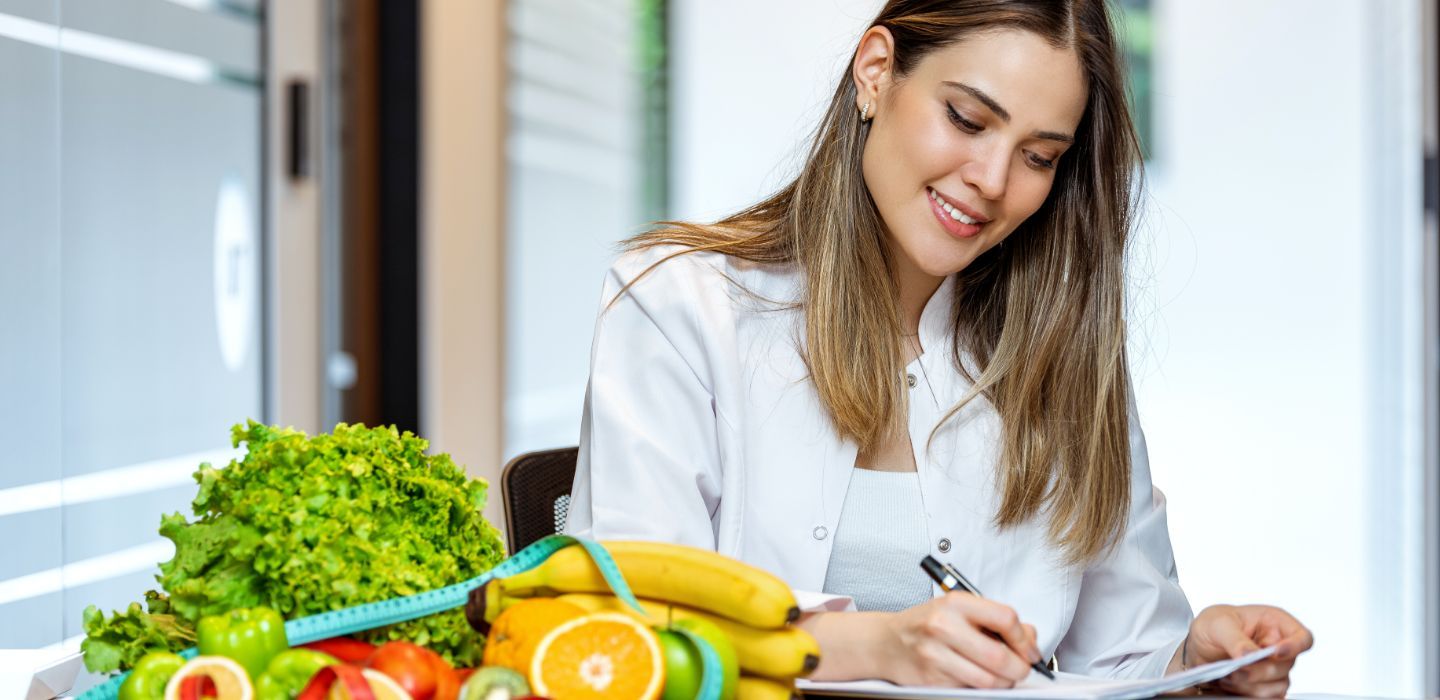
Life in Dubai moves quickly. Deadlines, traffic, social commitments, family responsibilities, and constant digital connection can leave little room for mental rest. In the middle of this high-energy lifestyle, many people quietly struggle with emotional or stress-related eating. That’s where a Nutritionist & Dietitian in Dubai becomes more than just a food expert — they become a guide toward balance, control, and emotional well-being.
Stress eating often feels automatic. After a long day, you may reach for sugary snacks, fast food, or late-night comfort meals without even realizing why. It’s not always about hunger. It’s about emotions. When stress hormones rise, cravings for high-calorie, high-carb foods increase. Over time, this pattern can affect weight, digestion, energy levels, and confidence.
Dubai’s multicultural food scene offers incredible variety, but it also makes indulgence easy and constant. Without a structured plan, stress eating can quietly become a daily habit.
What Is Stress Eating and Why Does It Happen?
Stress eating, also known as emotional eating, happens when food is used as a coping mechanism rather than fuel for the body. It’s triggered by emotions such as anxiety, boredom, frustration, sadness, or even celebration.
When stress levels rise, the body releases cortisol. This hormone increases appetite and cravings, especially for comfort foods that are high in sugar and fat. These foods temporarily boost serotonin and dopamine, creating short-term relief. However, the relief fades quickly, often leading to guilt or further stress.
In a city like Dubai, where work-life pressure can be intense and social gatherings often revolve around food, the cycle becomes even harder to break.
Signs You May Be Stress Eating
Recognizing stress eating is the first step toward managing it. Common signs include:
Eating when you’re not physically hungry
Craving specific comfort foods rather than balanced meals
Feeling out of control around certain foods
Eating quickly or mindlessly
Experiencing guilt or regret after eating
If these patterns feel familiar, working with a qualified professional can help you understand the root causes and create healthier coping strategies.
How a Nutritionist & Dietitian in Dubai Can Help
Managing stress eating is not about strict dieting or eliminating favorite foods. It’s about understanding your triggers and building a sustainable relationship with food.
A Nutritionist & Dietitian in Dubai evaluates your lifestyle, emotional triggers, work schedule, sleep patterns, and cultural food preferences. Instead of offering generic meal plans, they design personalized strategies that align with your daily routine.
Personalized Meal Planning for Emotional Balance
A structured eating schedule stabilizes blood sugar levels, reducing sudden cravings. Balanced meals rich in protein, fiber, and healthy fats help maintain satiety and steady energy.
Your nutrition plan may include:
Whole grains to support serotonin production
Lean proteins for long-lasting fullness
Omega-3 fatty acids to reduce inflammation
Magnesium-rich foods to ease stress
Hydrating foods to combat fatigue
By nourishing the body properly, emotional cravings naturally decrease.
Identifying Emotional Triggers
Food journals and mindful eating techniques are often introduced to identify patterns. You might notice that cravings spike during late work hours, after arguments, or during periods of loneliness.
Understanding these triggers allows you to replace automatic eating habits with healthier coping mechanisms such as short walks, breathing exercises, journaling, or structured snack planning.
Mindful Eating Techniques
Mindful eating is a powerful tool against stress eating. It involves slowing down, recognizing hunger cues, and enjoying food without distraction.
Simple mindful practices include:
Eating without screens
Chewing slowly
Rating hunger levels before and after meals
Recognizing emotional versus physical hunger
Over time, this awareness reduces impulsive eating and builds confidence.
The Dubai Lifestyle and Its Impact on Eating Habits
Dubai’s vibrant culture brings exciting dining experiences, late-night outings, and frequent social gatherings. While enjoyable, this lifestyle can blur hunger signals and promote emotional eating.
Shift work, long commuting hours, and international time zones also disrupt sleep patterns. Poor sleep increases cortisol and hunger hormones, making cravings more intense the next day.
A Nutritionist & Dietitian in Dubai understands these unique environmental factors. Instead of recommending unrealistic restrictions, they create plans that work within your real-life schedule.
Stress Eating and Weight Fluctuations
One of the most common concerns linked to stress eating is weight gain. However, weight fluctuations are often a symptom rather than the core issue.
Chronic stress can slow metabolism, disrupt digestion, and encourage fat storage — especially around the abdominal area. Restrictive dieting in response to stress eating may worsen the cycle by increasing deprivation and rebound overeating.
A balanced approach focuses on gradual, sustainable changes rather than rapid fixes. The goal is long-term well-being, not temporary weight loss.
Nutritional Strategies That Reduce Stress
Certain nutrients directly support emotional health and stress resilience.
Complex carbohydrates help regulate mood
B vitamins support nervous system function
Probiotics improve gut health, which influences emotional balance
Antioxidants reduce oxidative stress
Adequate hydration prevents fatigue-driven cravings
By optimizing nutritional intake, stress levels become easier to manage, reducing emotional dependence on food.
Building a Healthy Relationship With Food
Healing from stress eating requires compassion. Shame and guilt only reinforce the cycle. A supportive professional environment encourages open discussion without judgment.
You learn that food is not the enemy. Instead, it becomes a source of nourishment, enjoyment, and stability.
Over time, clients often notice:
Improved energy levels
Better sleep quality
Reduced emotional cravings
Enhanced focus
Greater body confidence
These changes extend far beyond the scale.
Long-Term Success Over Quick Fixes
Many people try crash diets, detox plans, or restrictive eating patterns to combat stress eating. While these methods may offer short-term results, they rarely address emotional triggers.
Sustainable change comes from education, structure, and emotional awareness. Gradual improvements build habits that last, even during busy seasons.
The right support system ensures that setbacks are viewed as learning experiences rather than failures.
Why Professional Guidance Makes a Difference
Online advice can be overwhelming and often contradictory. Personalized guidance removes confusion and replaces it with clarity.
Every individual’s stress response is different. Some people overeat, while others skip meals. Some crave sweets, while others prefer salty snacks. A tailored approach ensures your plan matches your psychology and physiology.
Working closely with a nutrition expert creates accountability, motivation, and measurable progress.
Transforming Stress Into Strength
Stress is unavoidable, but how you respond to it can change completely. By developing structured eating habits, emotional awareness, and balanced nutrition, stress eating becomes manageable rather than overwhelming.
A healthier relationship with food creates a ripple effect across all areas of life — work performance, social confidence, physical vitality, and emotional stability.
When guided by the right professional support, lasting transformation becomes achievable and realistic.
Book Us
If stress eating is affecting your health, mood, or confidence, now is the time to take control. With expert guidance from a , you can build sustainable habits that fit your lifestyle and support your emotional well-being. At Enfield Royal Clinic Dubai, we are committed to helping you restore balance, regain confidence, and create a healthier relationship with food through personalized nutrition strategies designed specifically for you.