
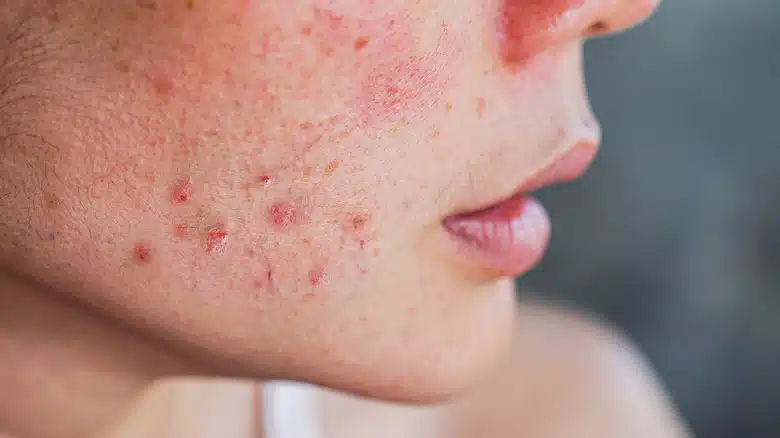
Acne is a common skin condition that develops when pores become clogged with excess oil, dead skin cells, and bacteria buildup. It can appear in different forms such as blackheads, whiteheads, pustules, or deeper inflamed bumps, and often varies in severity from mild to more persistent cases. A structured skincare approach is often needed to restore skin clarity and balance. In many cases, individuals seeking Pimples Treatment in Dubai begin their journey by understanding how acne forms and what internal and external triggers may contribute to it.
The treatment process is not a single action but a carefully structured sequence designed to support clearer skin over time. It typically focuses on two main approaches, surface-level skin management and deeper corrective techniques, both working together to improve overall skin health and appearance.
Skin Assessment and Condition Evaluation
The first step in any acne treatment journey involves a detailed skin assessment. This helps identify the type of acne, skin sensitivity level, oil production rate, and any underlying congestion beneath the surface. The process is usually carried out in a calm and structured environment where the skin is observed closely under proper lighting.
During this stage, attention is given to whether the acne is hormonal, bacterial, or caused by blocked pores. This step ensures that the treatment pathway is aligned with the skin’s actual condition rather than a general approach. It sets the foundation for both topical-based care and deeper skin-clearing procedures.
Deep Cleansing and Pore Preparation
Once the skin condition is understood, the next step focuses on preparing the skin through deep cleansing. This process helps remove surface impurities, excess oil, and environmental buildup that may contribute to clogged pores. The aim is to create a clean and balanced base for further treatment steps.
Pore preparation is important because it allows the skin to respond more effectively to subsequent acne control techniques. When the pores are properly cleansed, the chances of congestion are reduced, and the skin becomes more receptive to corrective care. This stage is essential in both surface-focused and deeper acne management approaches.
Targeted Skin Clearing Approach
At this stage, acne is addressed through targeted methods designed to reduce active breakouts and prevent new ones from forming. This approach focuses on calming inflammation, controlling oil activity, and supporting skin renewal.
The targeted skin clearing approach works on visible acne as well as underlying congestion. It helps refine the skin texture gradually while supporting a more even complexion. This step is often adjusted based on how the skin responds, ensuring that the process remains gentle yet effective.
Surface-Level Skin Management Technique
One of the key parts of acne treatment involves managing the upper layer of the skin where most visible breakouts occur. This method focuses on maintaining skin clarity by supporting natural cell turnover and reducing pore blockage at the surface level.
This technique is especially useful for individuals experiencing recurring pimples or uneven skin texture. It helps maintain balance in oil production while promoting smoother skin appearance over time. In structured care plans like Pimples Treatment in Dubai, this approach is often combined with deeper corrective methods for enhanced results.
Deep Skin Correction Process
Alongside surface care, deeper skin correction plays an important role in improving long-term skin health. This step focuses on addressing congestion beneath the skin’s outer layer and supporting the natural regeneration process.
The deep correction process helps minimize recurring breakouts by targeting the root causes of acne formation. It encourages healthier skin function and supports improved clarity over time. This dual-layer approach ensures that both visible and hidden concerns are addressed within the same treatment journey.
Skin Calming and Balance Restoration
After active acne management steps, the skin often requires a calming phase to restore balance. This stage focuses on reducing redness, soothing sensitivity, and stabilizing overall skin condition.
Calming the skin helps ensure that it remains comfortable and balanced after treatment. It also supports a more even skin tone and smoother texture. This step is essential in maintaining harmony within the skin’s natural barrier while continuing the acne improvement process.
Progress Monitoring and Adjustment Phase
Throughout the treatment journey, regular monitoring is an important part of achieving consistent results. Skin behavior is observed over time to understand how well it is responding to the current approach.
If needed, adjustments are made to refine the process further. This ensures that the treatment remains aligned with the skin’s evolving needs. Progress monitoring helps maintain a steady path toward clearer skin without overwhelming the skin structure.
Combination Approach for Better Results
Acne management often works best when both surface-level and deeper corrective methods are combined. This integrated approach ensures that immediate breakouts are managed while also addressing long-term skin stability.
By combining these two treatment pathways, the skin receives comprehensive care that supports both clarity and resilience. This balanced strategy is commonly used in structured acne care journeys such as Pimples Treatment in Dubai, where consistent improvement is the main focus.
Common Expectations During the Treatment Journey
During the acne treatment process, the skin gradually transitions through different phases of improvement. Initially, the skin may feel more active as it adjusts to the process, followed by a steady reduction in breakouts and smoother texture development.
Over time, the skin becomes more balanced, with fewer congested areas and improved clarity. This gradual progression reflects the natural response of the skin as it adapts to structured care and targeted treatment methods.
Frequently Asked Questions
How long does acne treatment usually take
The duration varies depending on skin condition and acne severity. Some individuals notice early improvements, while others require a longer structured approach for consistent results.
Can acne return after treatment
Acne can return if underlying triggers are not managed properly. However, a well-structured treatment process helps reduce the chances of recurrence by maintaining skin balance.
Is acne treatment suitable for all skin types
Yes, acne treatment processes are generally designed to adapt to different skin types. Each step is adjusted according to skin sensitivity and condition.
What makes a structured acne treatment effective
A structured approach is effective because it addresses both surface concerns and deeper skin issues. It ensures comprehensive care rather than temporary improvement.
Conclusion
A well-organized acne care journey focuses on understanding, preparing, treating, and balancing the skin through carefully planned steps. By combining surface management with deeper corrective techniques, the skin is supported in achieving long-term clarity and stability. This structured pathway ensures that Pimple concerns are handled in a progressive