
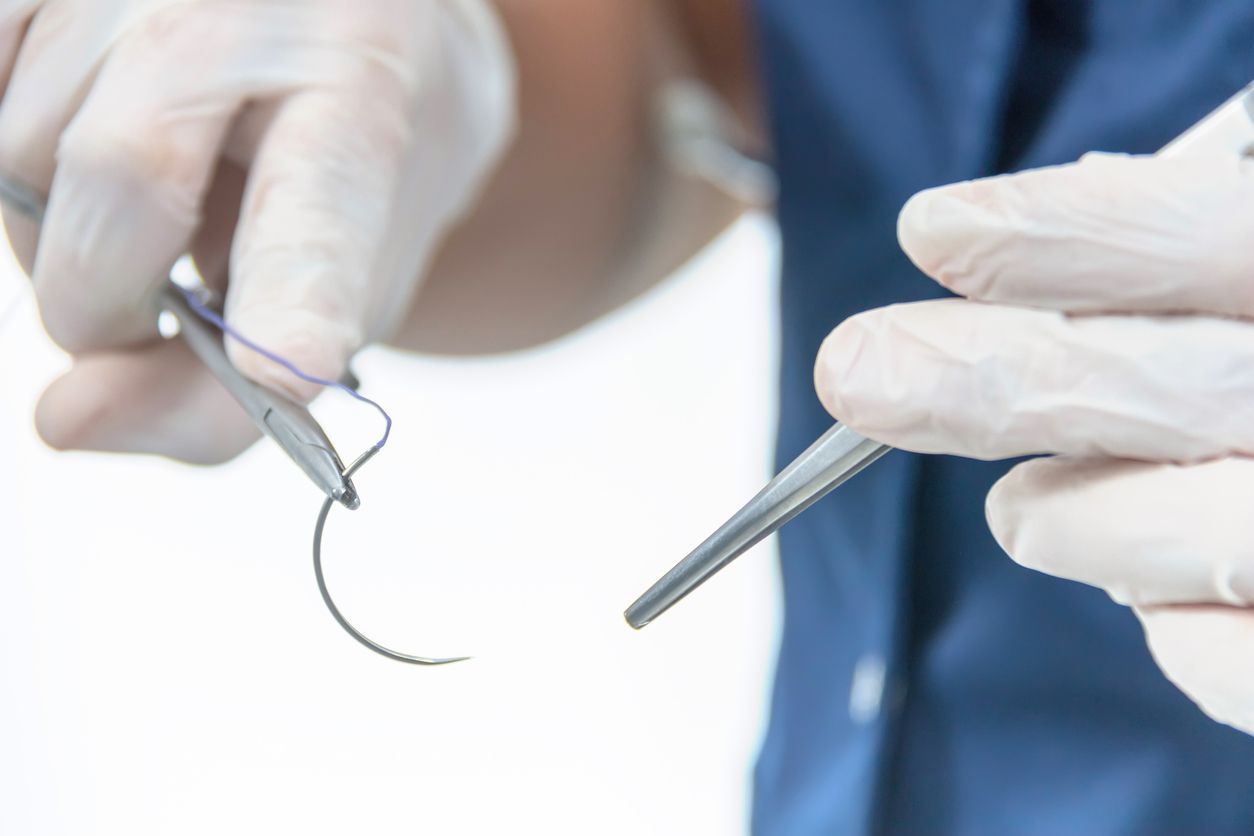
Suture removal is a delicate part of the healing journey that many people become curious about once a wound starts closing properly. In some cases, individuals explore practical guidance for Suture Removal at Home in Dubai when they are confident about wound recovery and want to understand how the process generally works in a simple and calm manner. This topic is often discussed in a way that focuses on awareness, cleanliness, and careful observation of healing signs rather than rushing the process. The idea is to help people understand how sutures are typically managed once the skin has healed enough for removal without complications.
Understanding the Purpose of Sutures
Sutures are used to help hold skin edges together while the body naturally repairs tissue. They support healing by keeping the wound stable and reducing unnecessary movement. Over time, as the skin gains strength, the sutures are no longer needed. This stage requires attention because removing them too early or too late can affect how the skin settles.
The removal process is usually considered only when the wound appears closed, dry, and stable. The skin around the area should look connected, without gaps or unusual redness. Understanding this timing is essential before thinking about any step-by-step method.
Step-by-Step Overview of the Removal Process
The general process of suture removal follows a calm and structured approach based on hygiene and gentle handling.
The first step usually involves observing the wound carefully. The area is checked to ensure the skin has properly joined together and there are no signs of irritation. This observation helps confirm whether the sutures are ready to be removed.
Next, the area is gently cleaned to ensure that no dirt or residue remains on the surface. Clean surroundings help maintain a smooth process and reduce unnecessary disturbance to the healing skin.
After preparation, each suture is typically lifted slightly so the thread can be accessed. The knot is carefully identified so that the stitch can be loosened without pulling the skin unnecessarily. The process is done with patience to avoid any sudden movement.
Once the thread is gently loosened, it is slowly guided out from the skin. This step is repeated for each stitch, ensuring that the skin remains steady and undisturbed. The focus is always on smooth, controlled movement rather than speed.
Finally, the area is observed again to confirm that all sutures have been removed evenly and the skin remains properly aligned.
Two Common Approaches to Suture Management
There are generally two widely understood approaches when discussing suture removal practices in a home-care context.
One approach is based on careful self-observation of healing progress. In this method, attention is given to how the skin looks and feels over time. The focus remains on identifying signs that indicate readiness for suture removal, such as stable skin bonding and reduced sensitivity around the wound.
The second approach emphasizes guided awareness, where individuals follow structured instructions mentally and proceed step by step with extra caution. This method relies on patience and slow, controlled actions, ensuring that each stitch is handled individually and gently.
Both approaches share the same foundation of awareness, cleanliness, and respect for the healing process. They are not rushed and always prioritize stability over speed.
Importance of Careful Observation During the Process
Careful observation plays a major role in ensuring that the removal process goes smoothly. The skin must be evaluated for tightness, color consistency, and general stability. If the skin appears uneven or sensitive, it is often a sign that more time is needed before any removal is considered.
The surrounding area should remain calm and undisturbed. Any sudden pulling or forceful movement is avoided to ensure the healing tissue is not strained. This careful attention helps maintain the natural recovery rhythm of the skin.
Common Misunderstandings About the Process
Many people assume that suture removal is a quick action, but in reality, it requires patience and steady attention. Another common misunderstanding is that all wounds heal at the same rate. In truth, healing varies depending on the depth and location of the wound.
Some also believe that sutures can be removed as soon as the surface looks healed, but deeper tissue may still be recovering. This is why observation is always emphasized before any step is taken.
Frequently Asked Questions
What indicates that sutures may be ready for removal
The skin usually appears closed, stable, and evenly joined. There should be no visible gaps or signs of strain around the area.
How important is cleanliness during the process
Cleanliness is essential because it helps maintain a stable environment for the healing skin. It reduces unnecessary disturbance and supports smooth handling.
Can discomfort occur during removal
Some individuals may notice mild sensitivity, but the process is generally focused on careful handling to minimize unnecessary pulling or pressure.
Why is slow handling important
Slow handling ensures that the skin is not disturbed suddenly. It allows each stitch to be managed individually with better control and precision.
Observing Healing Progress Before and After Removal
Before considering any removal, the healing progress must be closely observed over time. The skin should gradually become stronger and more stable. After the sutures are removed, continued observation ensures that the skin maintains its alignment and continues to heal naturally.
This phase highlights the importance of patience, as the body completes its final stages of recovery. Careful attention during this period supports smoother long-term healing outcomes.
In discussions about Suture Removal at Home in Dubai, it is often emphasized that understanding timing and healing readiness is more important than rushing into the process.
Conclusion
Suture removal is a carefully structured process that depends on healing progress, observation, and gentle handling. When understood properly, it becomes a calm and predictable part of recovery rather than a stressful step. The process described here highlights awareness, patience, and controlled movement as essential elements for anyone learning about wound healing practices. By focusing on stability and gradual recovery, individuals can better understand how the body naturally completes its healing journey while maintaining skin integrity and comfort.