
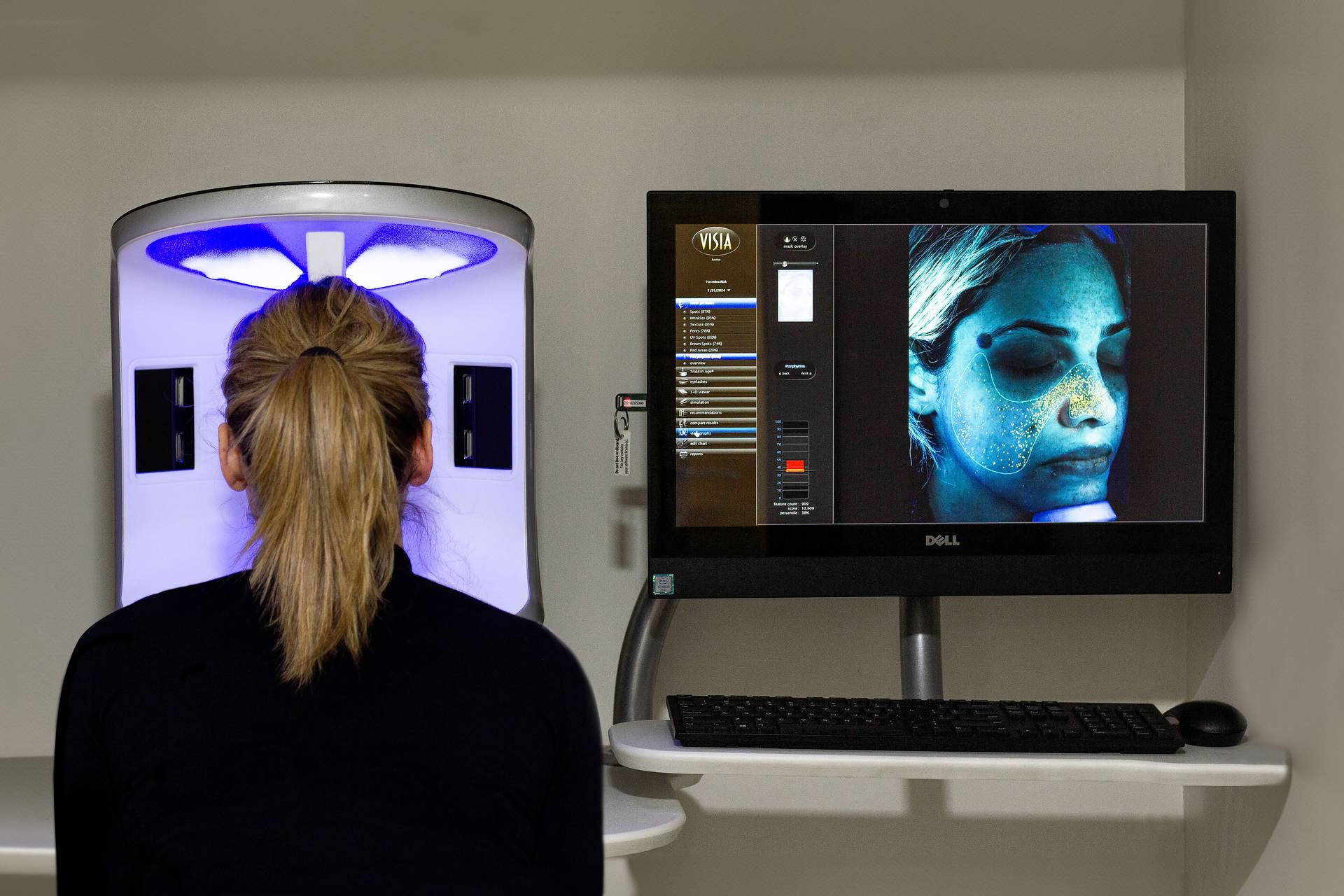
Healthy skin begins with understanding its unique characteristics rather than relying on assumptions. Modern facial assessment methods make it easier to identify visible and hidden skin concerns through advanced imaging technology. VISIA Skin Analysis in Dubai helps evaluate different layers of the skin by creating a detailed visual map that highlights concerns not always visible to the naked eye. This approach allows individuals to gain valuable insights into their skin condition while supporting informed decisions about suitable aesthetic treatments and skincare planning. Skin mapping has become an important part of personalized skin evaluation because it provides clear information that encourages confidence before beginning any skin improvement journey.
What Is Skin Mapping?
Skin mapping is a detailed visual assessment that captures multiple images of the face under specialized lighting conditions. These images are processed to identify various skin characteristics and create a comprehensive profile of facial health.
Unlike a standard visual examination, skin mapping evaluates both surface-level and deeper skin features. This detailed assessment provides a clearer understanding of the skin's current condition while revealing areas that may require greater attention.
The information gathered creates an organized overview that supports better treatment planning and long-term skincare management.
How Advanced Imaging Supports Skin Evaluation
Modern imaging systems use different lighting techniques to capture detailed facial photographs from several angles. The collected images are analyzed using advanced software that identifies patterns and skin characteristics with impressive accuracy.
This evaluation may highlight concerns such as uneven texture, pigmentation variations, enlarged pores, redness, fine lines, and moisture-related changes. Since the assessment covers multiple skin layers, it delivers a broader understanding than a simple mirror reflection.
The visual reports also make complex skin information easier to understand through clear graphics and organized summaries.
How Skin Mapping Assists Individuals
Skin mapping serves as an educational tool that helps individuals understand their skin more thoroughly. Instead of guessing which concerns require attention, they receive objective information supported by detailed imaging.
This guidance helps in several ways.
It identifies areas that may not yet be visible during daily observation.
It provides a baseline for future skin evaluations.
It supports personalized treatment planning.
It highlights multiple skin concerns within a single assessment.
It encourages realistic expectations by presenting visual evidence.
It improves confidence in selecting suitable aesthetic procedures.
Common Skin Concerns Revealed Through Mapping
Advanced skin mapping technology evaluates a wide variety of facial characteristics. Some findings are immediately visible, while others remain beneath the surface.
The assessment commonly identifies pigmentation patterns that may gradually become more noticeable over time.
It can reveal fine lines developing around facial expressions before they appear prominently.
Texture irregularities become easier to recognize through detailed imaging.
Pore visibility and distribution across different facial zones are clearly documented.
Areas of redness are highlighted for improved understanding.
Oil distribution patterns help explain differences across facial regions.
These findings contribute to a complete picture of overall skin condition.
How Skin Mapping Supports Treatment Planning
One of the greatest advantages of skin mapping is its ability to guide personalized treatment selection. Every individual has unique skin characteristics, making customized planning far more effective than generalized recommendations.
After reviewing the assessment, suitable treatment options can be selected according to the skin's specific needs.
Common aesthetic treatments that may be considered include skin rejuvenation procedures, laser-based therapies, chemical peels, microneedling, collagen stimulation techniques, hydration-focused facial procedures, pigmentation-focused treatments, and texture refinement sessions.
Because the assessment provides measurable information, treatment planning becomes more structured and targeted.
Monitoring Progress Over Time
Skin improvement is often gradual, making visual progress difficult to recognize from memory alone.
Skin mapping creates a detailed baseline that can be compared with future assessments. New images demonstrate changes that occur throughout the treatment journey.
This comparison allows improvements in skin texture, pigmentation balance, pore appearance, and overall complexion to become easier to observe.
Seeing measurable progress often motivates individuals to continue following their recommended skincare routines and treatment schedules.
Personalized Skin Understanding
Every person's skin behaves differently depending on genetics, age, environmental exposure, and daily habits. Skin mapping respects these differences by providing individualized information rather than generalized assumptions.
The assessment allows people to better understand their unique skin profile and recognize which areas deserve greater attention.
This personalized approach helps build realistic expectations while supporting long-term skin management.
Why Visual Reports Improve Decision Making
Many people find technical skin explanations difficult to understand without visual support.
Skin mapping transforms complex information into organized reports with facial images and highlighted concern areas. These visuals make it easier to recognize existing skin conditions and understand why certain treatments may be recommended.
Better understanding often leads to greater confidence when planning aesthetic improvements.
Skin Mapping and Preventive Care
Preventive skincare focuses on recognizing changes before they become more noticeable.
By detecting subtle skin changes early, mapping encourages timely decisions that may support healthier skin appearance over time.
Instead of reacting only after concerns become obvious, individuals can monitor gradual changes and adjust their skincare approach accordingly.
This proactive perspective supports consistent skin maintenance.
The Value of Objective Assessment
Personal opinions about skin condition often vary depending on lighting, mirrors, or photographs.
Skin mapping replaces subjective observation with standardized imaging and detailed analysis. The consistent evaluation process creates reliable information that remains useful throughout different stages of skincare planning.
Objective assessment provides greater clarity than relying solely on visual impressions.
Frequently Asked Questions
What makes skin mapping different from a regular facial examination?
Skin mapping uses specialized imaging technology to evaluate both visible and underlying skin characteristics, providing more detailed information than a standard visual inspection.
Can skin mapping identify multiple skin concerns at once?
Yes. The assessment reviews several skin characteristics during a single session, creating a comprehensive overview of facial health.
Is skin mapping useful before aesthetic treatments?
Yes. It helps identify existing skin conditions and supports personalized planning for suitable aesthetic procedures.
Can results be compared over time?
Yes. Future assessments can be matched with earlier images to observe changes and monitor progress throughout the skincare journey.
Why Detailed Skin Analysis Matters
Understanding the skin before selecting aesthetic procedures creates a stronger foundation for achieving personalized goals. VISIA Skin Analysis in Dubai offers valuable imaging insights that assist with identifying individual skin characteristics, tracking visible changes, and supporting customized treatment planning. By combining objective analysis with comprehensive facial mapping, individuals gain greater awareness of their skin and can make informed decisions that align with their long-term skincare objectives.
Conclusion
Skin mapping has transformed the way facial assessment is approached by providing detailed visual insights that extend beyond ordinary observation. Through comprehensive imaging, structured evaluation, personalized treatment guidance, and ongoing progress monitoring, this technology helps individuals understand their skin with greater confidence and accuracy. Its ability to reveal hidden concerns, support tailored aesthetic treatments, encourage preventive skincare strategies, and create measurable benchmarks makes it an essential part of modern skin assessment. A well-informed understanding of skin condition allows every skincare journey to begin with clarity, precision, and meaningful direction while promoting healthier-looking skin through informed decisions and consistent professional evaluation.