
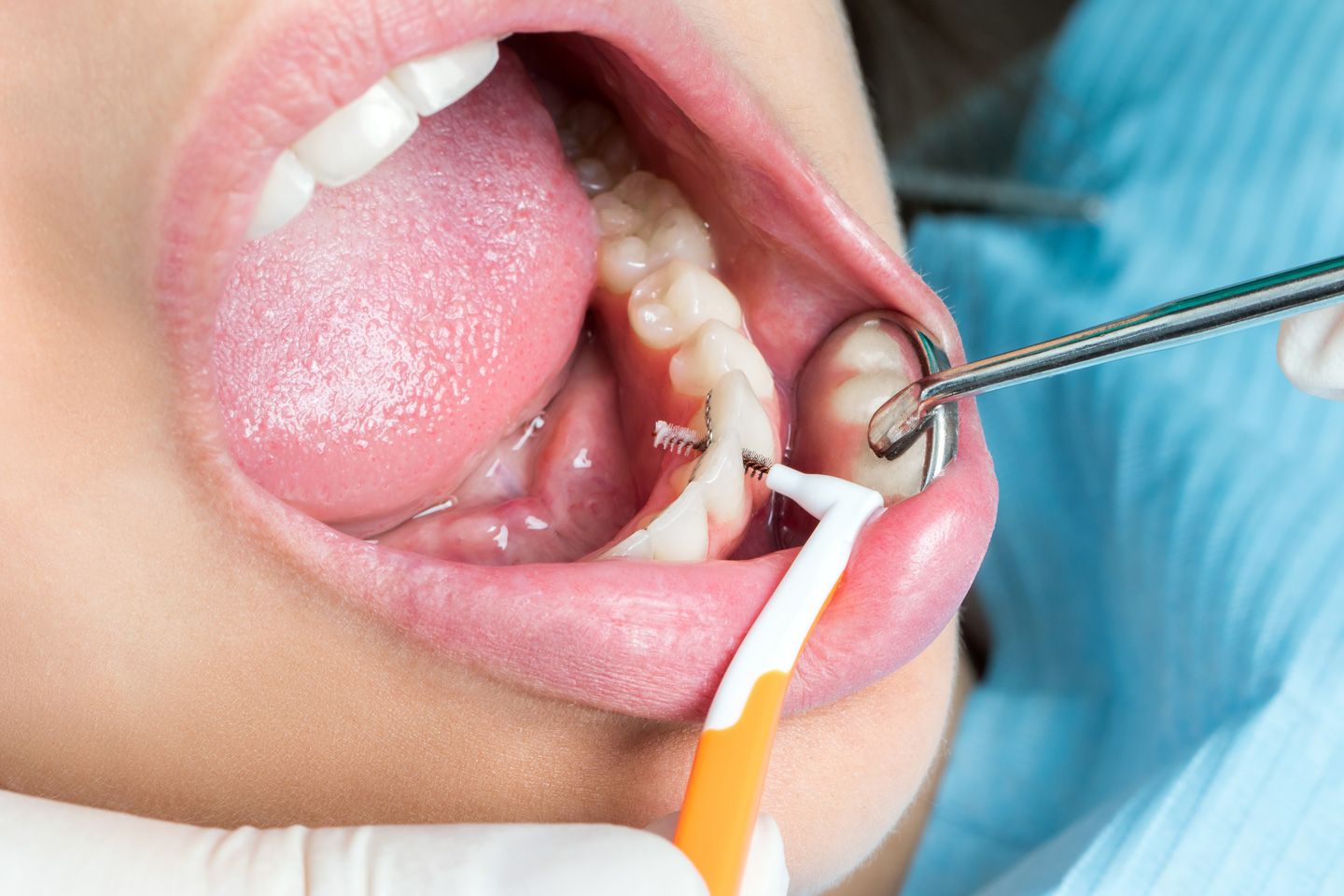
Maintaining a healthy smile goes beyond daily brushing and flossing. Teeth cleaning is an essential procedure to remove plaque, tartar, and stains, ensuring your oral health remains optimal. Many people wonder about the right time to resume their normal eating habits after a professional session. Understanding how your teeth respond post-cleaning can make a significant difference in maintaining your oral hygiene. For those searching for effective dental care, Teeth Cleaning in Dubai offers expert services that prioritize your comfort and long-term oral health.
Understanding the Immediate Effects of Teeth Cleaning
After a professional teeth cleaning session, your teeth and gums may feel unusually sensitive. This is because the procedure removes plaque and tartar that may have built up over time, exposing areas of the enamel and gum that were previously protected. Some people might notice minor bleeding or discomfort, especially if they had significant tartar deposits or gum inflammation before the cleaning. These effects are typically temporary and should subside within a few hours to a day.
Why Timing Matters Before Eating
Eating immediately after teeth cleaning can sometimes cause discomfort or even damage newly cleaned enamel surfaces if you consume hard, sticky, or very hot foods. The enamel, while strong, can feel slightly rough or tender after scaling and polishing, making it more sensitive to certain types of foods. Allowing a brief window before resuming normal eating helps prevent irritation and allows your gums to recover, ensuring the benefits of the cleaning are long-lasting.
Ideal Foods to Consume Post-Cleaning
In the hours following a teeth cleaning session, it's best to stick to soft and non-irritating foods. Options such as yogurt, mashed potatoes, soups, smoothies, and soft-cooked vegetables are gentle on sensitive teeth and gums. Avoid foods and drinks that are highly acidic, sugary, or extremely hot or cold, as these can exacerbate sensitivity. Hydrating with water is also crucial, as it helps flush away any remaining debris and promotes healing of the gum tissue.
Duration of Eating Restrictions
Most patients can safely resume normal eating within a few hours after a teeth cleaning session. However, those with heightened sensitivity may benefit from waiting a little longer—typically up to 24 hours—before eating harder or more abrasive foods. Listening to your body is key; if certain foods cause discomfort, it’s wise to delay consuming them until your gums feel fully comfortable. This approach ensures you protect the enamel and maintain the cleanliness achieved through the procedure.
Managing Sensitivity After Teeth Cleaning
If sensitivity persists after your teeth cleaning, there are practical steps to manage discomfort. Using a soft-bristled toothbrush and non-abrasive toothpaste can reduce irritation when brushing. Avoiding acidic drinks and extremely cold or hot foods can also prevent flare-ups. Some people may find relief from over-the-counter desensitizing gels or rinses designed to protect sensitive teeth. Regular rinsing with lukewarm water or a mild saltwater solution can also promote gum healing and comfort.
Foods to Avoid Immediately After Cleaning
Certain foods can compromise the effects of teeth cleaning if consumed too soon. Hard candies, crunchy snacks, sticky sweets, and very hot beverages can cause enamel discomfort or gum irritation. Acidic fruits and carbonated drinks may also exacerbate sensitivity temporarily. Waiting a few hours and focusing on gentle foods allows your teeth to maintain the smooth, polished surface achieved during the cleaning, keeping your smile bright and healthy.
How Oral Hygiene Impacts Eating Comfort
Maintaining good oral hygiene routines post-cleaning ensures faster recovery and reduced sensitivity. Brushing gently twice daily, flossing, and using mouthwash can prevent plaque build-up and support gum health. Good hygiene practices help your teeth adjust to normal eating more quickly, making your post-cleaning experience more comfortable and sustaining the benefits of the procedure.
Long-Term Tips for Eating After Teeth Cleaning
Beyond the immediate recovery, being mindful of your eating habits can enhance the longevity of a teeth cleaning session. Limiting sugary snacks, acidic beverages, and excessive coffee or tea can prevent staining and reduce the risk of plaque accumulation. Eating a balanced diet rich in vitamins and minerals supports strong teeth and healthy gums. These habits not only promote oral health but also reduce sensitivity, making it easier to enjoy your favorite foods without discomfort.
When to Seek Advice About Persistent Sensitivity
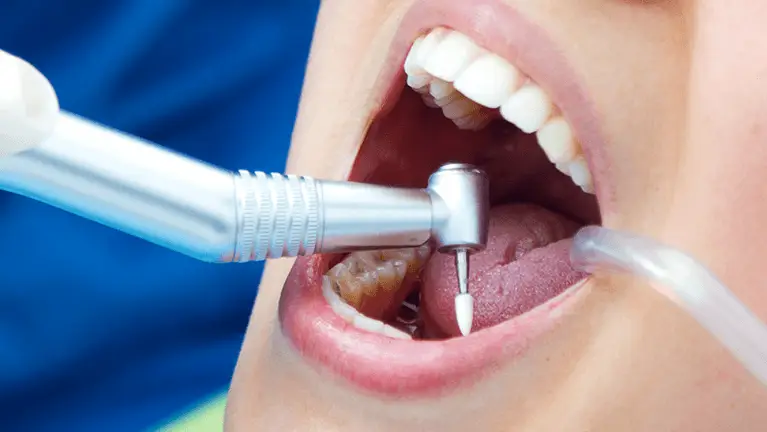
While temporary sensitivity after teeth cleaning is normal, persistent pain or swelling may indicate underlying issues such as enamel wear, gum disease, or infection. Consulting a professional for guidance ensures you address any concerns promptly. Early intervention can prevent more severe complications and help maintain a confident, healthy smile.
Benefits of Following Eating Guidelines After Cleaning
Respecting the recommended eating guidelines after teeth cleaning maximizes the benefits of the procedure. It allows the gums to heal, prevents sensitivity, and maintains the smooth surface of your teeth. By avoiding foods that irritate the mouth, you preserve the fresh, clean feeling that comes from professional cleaning. Incorporating these habits into your routine enhances overall oral health, making every subsequent cleaning more effective and comfortable.
Book Us for Professional Teeth Cleaning
Resuming normal eating after teeth cleaning in Dubai can be straightforward if you follow the right steps and timing. Soft foods, hydration, and careful attention to sensitivity help protect your oral health and prolong the effects of the cleaning. For top-notch services, Teeth Cleaning in Dubai at Enfield Royal Clinic Dubai ensures a comfortable and effective experience. Book us today to maintain a healthy, radiant smile and enjoy the confidence that comes with expert dental care.