
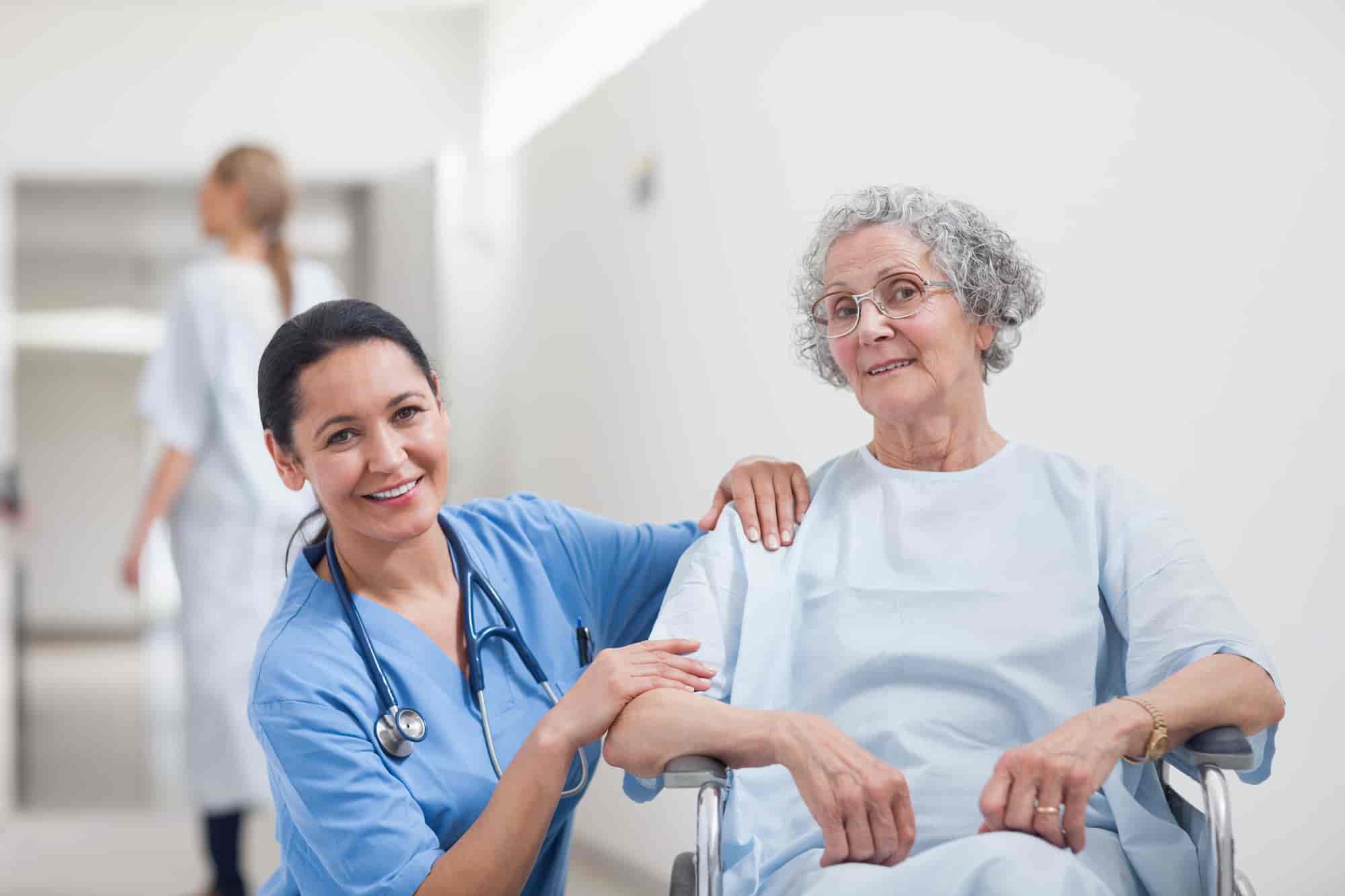
There comes a time in many people’s health journey when comfort, familiarity, and personal attention matter more than anything else. This is where Home Nursing Services Dubai often become a preferred choice. Patients and families begin to explore this option when they realize that continued care outside the hospital setting could bring more peace of mind, better recovery support, and a sense of dignity. Whether the need is short-term or long-term, the decision to transition into this type of service usually reflects a desire for personalized health management in a safe and supportive environment.
Understanding the Concept of Transition
The transition to home nursing services is not always immediate. Patients and their loved ones typically consider this step after recognizing the value of ongoing assistance, beyond what a hospital stay can offer. It often marks a shift from institutional care to a more tailored approach where the individual feels cared for within familiar surroundings.
Post-Surgical Recovery at Home
One of the most common reasons patients move to home nursing is post-surgical recovery. Many individuals prefer to heal in a calm and familiar space rather than remain in a hospital. The presence of trained nurses helps patients follow recovery routines, manage wound care, and build strength gradually. This supportive environment reduces stress and promotes faster healing.
Long-Term Care for Chronic Conditions
Patients with chronic conditions often need constant support. While hospitals can provide immediate treatment, long-term care becomes more sustainable and manageable through home-based nursing. Such services give families reassurance that their loved ones are being monitored regularly, while patients maintain a sense of independence and comfort.
Elderly Support and Daily Assistance
The elderly are among the primary groups who benefit from home nursing. Transitioning into such services often happens when mobility becomes limited or when everyday activities require gentle assistance. Having trained staff present ensures safety, proper medication management, and companionship, making life easier for both the elderly and their families.
Rehabilitation and Physical Support
Recovery does not end at the hospital; it extends into the patient’s daily life. Rehabilitation, whether physical therapy or routine care, can be effectively continued with the help of home nursing professionals. They guide patients through exercises, monitor progress, and create a safe environment to reduce the risk of setbacks.
Emotional and Psychological Comfort
The emotional aspect of healing should never be underestimated. Patients often feel more motivated and secure when surrounded by loved ones. Transitioning into home nursing allows individuals to receive professional care while staying close to family. This emotional comfort plays a significant role in recovery outcomes.
Safety and Monitoring at Home
A major reason for switching to home nursing is the need for ongoing monitoring. Families may worry about patients being left unattended, especially in cases involving mobility limitations or cognitive challenges. Having professional support at home ensures that health is being observed closely, with immediate action taken when needed.
Convenience for Families
Families often face challenges balancing care with their daily responsibilities. Transitioning into home nursing services provides a convenient solution, allowing relatives to focus on their own commitments without compromising the patient’s well-being. This balance brings peace of mind to everyone involved.
Transitioning for Pediatric Care
Children who require extended medical attention can also benefit from home nursing. This option provides them with care in a familiar environment, reducing fear and anxiety. Parents find it easier to manage their child’s needs while maintaining a sense of normalcy at home.
Factors That Influence the Decision
The decision to move toward home nursing is influenced by several factors:
The stage of recovery or condition of the patient
The ability of family members to provide consistent care
The need for specialized support that is difficult to manage independently
A desire to combine medical attention with emotional comfort
When Families Recognize the Need
Families often realize the need for home nursing when caregiving becomes overwhelming. This recognition is not about inability but about ensuring that patients receive professional attention around the clock. Transitioning at the right time prevents burnout for families and ensures that patients continue to thrive under expert guidance.
Smooth Transitioning Process
The process of moving into home nursing is usually gradual. It may start with part-time assistance, later evolving into full-time support depending on the individual’s needs. The transition is made easier when families and professionals work together to build a care plan that aligns with the patient’s lifestyle.
Benefits Beyond Medical Care
Home nursing provides more than just health support. Patients often enjoy improved quality of life, emotional stability, and a greater sense of independence. The simple comfort of being at home while receiving professional care can transform the recovery journey into a more positive experience.
Why This Transition Matters
Choosing to transition to home nursing reflects a forward-looking approach to care. It highlights the importance of balancing medical needs with emotional well-being. Patients not only heal physically but also feel valued and respected in their daily lives.
FAQs
When is the right time to transition to home nursing?
The right time varies, but many families choose this step after surgery, during chronic illness management, or when daily care becomes too challenging at home.
Can home nursing support long-term health conditions?
Yes, it is especially beneficial for individuals with chronic illnesses who require regular monitoring and consistent attention.
Does home nursing help with rehabilitation?
Absolutely. Home-based care provides an ideal environment for recovery exercises, ensuring safe and consistent progress.
How do families know they are making the right choice?
Families often feel reassured once they see their loved ones receiving professional care without losing the comfort of a familiar environment.
The Role of Home Nursing Services in Dubai
Home Nursing Services in Dubai continue to play an essential role for patients who want comfort without compromising professional attention. They bridge the gap between hospital care and independent living, providing tailored solutions that adapt to unique health journeys. This transition not only supports patients physically but also helps families find balance and relief.
Conclusion
The transition into home nursing is often seen as a positive step toward holistic care. It allows patients to receive the medical attention they need while enjoying the comfort of familiar surroundings. Families find peace of mind knowing their loved ones are cared for by professionals in an environment that feels safe and supportive. By recognizing the right time to make this change, individuals can ensure a smoother journey toward recovery, independence, and dignity. Embracing this option reflects a thoughtful approach to long-term wellness and highlights the true value of compassionate, patient-centered care.