
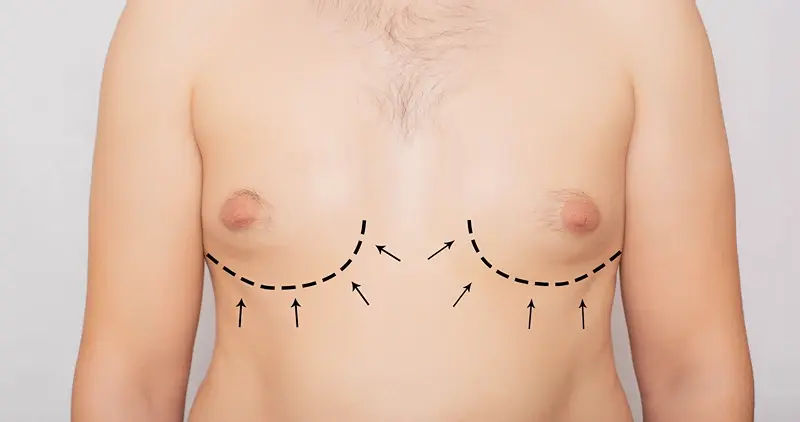
Gyno Surgery Dubai may be recommended when enlarged male breast tissue becomes persistent, noticeable, or difficult to improve through healthy lifestyle changes. Gyno Surgery Dubai can develop because of changes in glandular tissue, excess fatty tissue, hormonal fluctuations, weight changes, or a combination of these factors. While mild enlargement may sometimes improve naturally, long-lasting or prominent breast enlargement can affect clothing choices, body confidence, and everyday comfort. Surgical treatment is generally considered when the underlying tissue does not respond adequately to conventional measures and the individual is considered physically suitable for the procedure.
When Does Gynecomastia Become a Surgical Concern?
Gynecomastia does not automatically require surgery. In many cases, temporary breast enlargement can occur during periods of hormonal change and may settle with time. Surgery becomes a consideration when the enlargement remains stable for an extended period, creates a noticeable contour concern, or involves firm glandular tissue that does not reduce through weight management.
Persistent enlargement can also become more noticeable when the rest of the body becomes leaner. In such situations, the chest may appear disproportionate even when an individual maintains a healthy body composition. A proper assessment helps determine whether the main concern comes from glandular tissue, excess fat, or both.
Why Is Proper Assessment Important?
A detailed assessment is an important part of determining whether surgical correction is appropriate. The evaluation generally considers the individual's medical background, physical condition, chest structure, tissue composition, skin quality, and expectations.
The assessment may help identify whether the enlargement is primarily related to glandular tissue or fatty deposits. This distinction matters because different tissue types respond to different surgical approaches. It also allows the treatment plan to be tailored to the individual's chest shape rather than relying on a standard approach.
Who May Be a Suitable Candidate?
A suitable candidate is generally an individual whose breast enlargement has remained persistent despite appropriate lifestyle measures. The person should also have realistic expectations about the achievable chest contour and understand that the treatment focuses on improving excess tissue rather than creating an unrealistic appearance.
Surgical consideration may be appropriate when an individual has:
Persistent chest enlargement that does not improve with lifestyle changes
Noticeable glandular tissue beneath the nipple area
Excess fatty tissue contributing to chest fullness
A chest shape that affects confidence or clothing preferences
Stable body weight and reasonable overall physical fitness
Realistic expectations regarding the outcome
What Are the Two Main Treatment Approaches?
Two primary approaches are commonly considered for male breast reduction: liposuction and direct removal of glandular tissue. In some cases, both approaches may be combined because gynecomastia can contain fatty and glandular components at the same time.
How Does Liposuction Help?
Liposuction is generally considered when excess fatty tissue contributes significantly to chest enlargement. The technique involves removing unwanted fat from selected areas to create a flatter and more defined chest contour.
This approach can be particularly useful when the chest fullness is soft and mainly associated with fatty deposits. The amount and distribution of fat are assessed before treatment so that the approach can be customized to the individual's natural chest proportions.
Liposuction focuses on contour refinement rather than simply removing as much tissue as possible. Careful treatment can help maintain a natural-looking transition between the chest and surrounding areas.
How Does Glandular Tissue Removal Work?
Direct glandular tissue removal is considered when firm breast tissue is responsible for persistent enlargement. Glandular tissue has a different consistency from fat, meaning that removing fat alone may not adequately address a firm area beneath the nipple or areola.
During this approach, the unwanted glandular tissue is surgically removed through carefully planned access points. The objective is to reduce excessive fullness while maintaining a balanced and natural chest contour.
This method can be especially relevant when an individual has a firm mass that remains noticeable even after achieving a healthy weight.
When Are Both Treatments Used Together?
Some individuals have a combination of excess fat and glandular tissue. In these situations, using both approaches may provide a more comprehensive correction.
Liposuction can address fatty fullness around the chest, while direct tissue removal can target firm glandular enlargement. Combining the techniques allows the treatment plan to address different components of gynecomastia during the same surgical process.
The decision depends on tissue composition, skin quality, chest shape, and the desired degree of correction. A personalized assessment determines whether one technique or a combination is more appropriate.
What Factors Influence the Recommendation?
Several factors can influence whether surgery is recommended. The duration of enlargement is important because temporary hormonal changes may resolve without intervention. The stability of body weight can also influence the assessment because significant weight fluctuations may alter the chest contour.
Skin elasticity is another consideration. Individuals with relatively firm and elastic skin may experience better natural adaptation to a reduced chest volume. The amount of excess tissue and its location also influence the surgical plan.
Lifestyle habits, general physical health, and personal expectations are considered as part of the overall evaluation.
What Happens During the Treatment Process?
The process generally begins with a consultation and physical assessment. The chest is examined to determine the type and distribution of tissue. Once the treatment approach is selected, the procedure is planned according to the individual's anatomy.
If liposuction is appropriate, specialized instruments are used to remove excess fatty deposits. If glandular tissue is the primary concern, direct surgical removal may be performed. When both tissue types are present, the techniques may be combined to achieve a smoother contour.
The goal throughout the process is controlled tissue reduction and balanced shaping rather than excessive removal.
What Benefits Can the Treatment Provide?
Male breast reduction can provide several aesthetic and personal benefits when appropriately recommended. A flatter chest may create a more proportionate appearance and can make certain clothing styles feel more comfortable.
Many individuals also appreciate having a chest contour that better reflects their fitness goals. Improvements in body proportion may contribute to greater confidence in social situations, physical activities, and everyday clothing choices.
The most meaningful benefit is often a more balanced relationship between the chest and the rest of the body.
What Should Individuals Know About Recovery?
Recovery varies according to the treatment approach, the amount of tissue addressed, and individual healing characteristics. The treated area generally requires time to settle as the body adjusts to the new chest contour.
Normal daily activities may be resumed gradually according to the guidance provided during the medical evaluation. Physical activity and exercise are usually introduced progressively rather than immediately.
Understanding the expected recovery timeline can help individuals plan their routines realistically and avoid placing unnecessary pressure on the treated area.
Frequently Asked Questions
When is surgery usually recommended for gynecomastia?
Surgery may be recommended when breast enlargement is persistent, noticeable, and does not respond adequately to appropriate lifestyle measures. The suitability of treatment is determined through an individual assessment.
Can liposuction treat all types of gynecomastia?
Liposuction is mainly useful when excess fatty tissue contributes to chest enlargement. It may not fully address firm glandular tissue, which can require direct surgical removal.
When is glandular tissue removal considered?
Direct removal may be considered when firm glandular tissue remains beneath the nipple or surrounding area and contributes substantially to the enlarged appearance.
Can both techniques be used during one procedure?
Yes. When both fatty and glandular tissues contribute to enlargement, combining liposuction with glandular tissue removal may provide a more complete contouring approach.
Is stable weight important before treatment?
Stable weight can be beneficial because significant weight changes may alter the amount of fatty tissue around the chest. A stable body composition can make treatment planning more predictable.
Does the treatment focus only on appearance?
Although appearance is an important consideration, persistent gynecomastia can also influence clothing choices, confidence, and comfort. Treatment may therefore have both aesthetic and personal benefits.
Conclusion
For individuals with persistent male breast enlargement, Gyno Surgery Dubai can be considered when the condition remains noticeable despite suitable lifestyle efforts and when the person is an appropriate candidate for surgical correction. Liposuction can address excess fatty tissue, while direct glandular tissue removal can target firm breast tissue, and both approaches may be combined when necessary. A personalized assessment remains essential because every chest has a different tissue composition, shape, and skin quality. With realistic expectations and an appropriate treatment plan, surgical correction can help create a flatter, more proportionate, and naturally balanced chest appearance.