
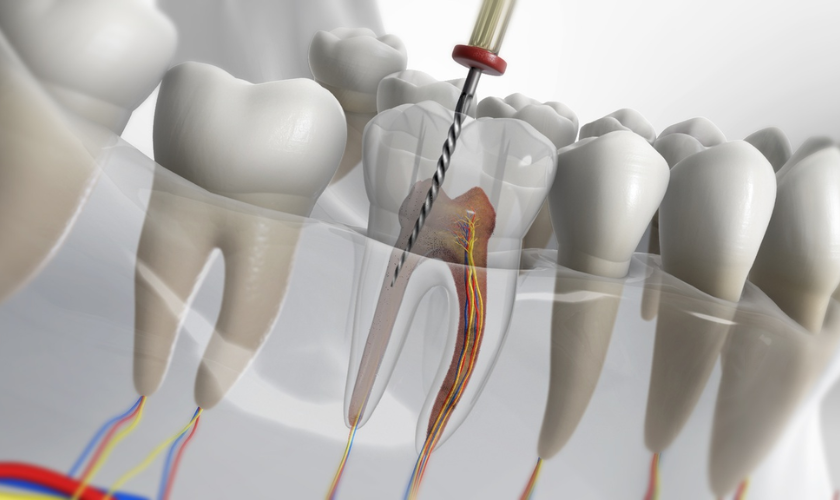
A root canal becomes the most effective solution when a tooth can no longer recover on its own, especially when pain, sensitivity, and deep infection begin affecting everyday comfort. Many individuals facing persistent discomfort often wonder when the procedure becomes essential and how it contributes to long-term oral wellness. The moment symptoms intensify or interfere with daily routines, a detailed evaluation usually reveals whether the procedure is the best option to preserve the natural tooth. During early stages of dental decay, simple treatments may help, but once the infection reaches the inner pulp, Root Canal Treatment Dubai is frequently preferred to restore strength and functionality. The process focuses on cleaning the infected area, shaping the canal, and sealing it for long-term stability, allowing the tooth to stay intact and function comfortably.
When the Procedure Becomes Necessary
There are specific situations in which a root canal becomes the ideal choice to save a tooth. When discomfort persists for long periods and spreads to nearby areas, it often indicates that the deeper tissues have been affected. In such cases, the procedure helps prevent further issues and restores normal comfort. Individuals may also notice heightened sensitivity when consuming hot or cold items, which sometimes suggests the presence of significant internal inflammation. Another clear sign is tenderness when applying pressure while chewing, which can be a signal that the pulp requires attention. When these conditions arise, the treatment becomes more effective in maintaining the natural structure and avoiding unnecessary tooth removal.
Role of Early Diagnosis
Early diagnosis plays a major part in determining the effectiveness of this procedure. When individuals seek professional evaluation as soon as they notice symptoms, the chances of saving the tooth increase significantly. An early assessment helps identify the exact stage of infection, allowing the treatment to be more streamlined and successful. The sooner the problem is detected, the smoother the process becomes. Timely intervention also ensures that the surrounding tissues remain strong and healthy, providing a stable foundation for the treated tooth. When the diagnosis is delayed, the infection may progress, making the procedure more complex, though still highly effective for preserving natural oral function.
How the Procedure Works
The root canal procedure involves carefully removing the inflamed or infected tissue from inside the tooth. Once the area is cleaned, the dentist shapes the canal and fills it with a material designed to protect it from further issues. This sequence ensures that the tooth remains secure and functional. The procedure focuses on preserving as much of the natural structure as possible, allowing the tooth to continue serving its normal purpose. Many individuals find relief shortly after the process is completed because the source of discomfort has been addressed. The method is designed to support long-lasting strength and stability.
Benefits of Choosing the Treatment
The benefits of this approach become clear once the procedure is completed. It helps maintain natural tooth alignment, which is essential for comfortable chewing and speaking. Keeping the original tooth in place prevents unnecessary shifting, which can affect overall oral balance. The treatment also supports long-term comfort and reduces the need for more extensive procedures later. Many people appreciate that the procedure helps restore the tooth’s function while maintaining its natural appearance. Overall, it provides a dependable solution for anyone aiming to relieve discomfort and protect oral health.
Factors That Influence Effectiveness
Several factors determine how effective the procedure will be. The condition of the tooth at the time of treatment plays a significant role. If the structure is still strong and intact, the process becomes smoother and more successful. Individual oral hygiene habits also influence outcomes, as maintaining a clean environment helps the treated tooth remain healthy. Regular checkups can further support longevity by ensuring that the surrounding tissues stay in good condition. The procedure is designed to work with the natural anatomy of the tooth, making it a reliable choice for long-term restoration.
When It Is Considered the Best Option
A root canal becomes the most suitable choice when the pulp inside the tooth is affected beyond natural healing. Individuals who experience ongoing discomfort, prolonged sensitivity, or sudden changes in biting comfort often benefit greatly from this process. It is recommended when the goal is to save the tooth instead of removing it. The method provides a way to preserve natural structure, support normal chewing, and maintain a pleasant smile. When the tooth can still be restored, this procedure becomes a dependable and effective solution.
Understanding Both Common Treatments
Many people often hear about the two most common restorative treatments: the root canal procedure and fillings. Fillings are typically chosen when decay is limited to the outer areas of the tooth. They help restore shape and protect against further issues. A root canal, however, is selected when the deeper tissues are affected. Both treatments serve important purposes, and choosing the right one depends on the extent of the damage. When the condition is minor, a filling may be suitable. When infection reaches the inner pulp, the root canal becomes the stronger option for preserving the tooth's natural stability.
Why Timely Action Matters
Timely treatment strongly influences the success of the procedure. Acting early ensures that the tooth remains strong enough for restoration. When individuals delay seeking help, the infection may spread, requiring more complex procedures. Addressing the issue promptly maintains natural oral balance and supports long-term comfort. Quick action also helps ensure that the tooth retains its natural strength and appearance, providing a dependable outcome for daily activities such as chewing and speaking.
When Results Are Most Noticeable
The results of the procedure become noticeable when the discomfort begins to fade and normal function returns. Individuals often appreciate the renewed comfort while eating and speaking. The tooth regains its stability, and the surrounding tissues adjust naturally. Once the treatment is completed and healing progresses, the restored tooth blends seamlessly with the rest of the smile. It allows individuals to enjoy their everyday routine with confidence and comfort.
The process of Root Canal Treatment in Dubai is considered most effective when the deeper layers of the tooth require targeted attention and preservation. The goal is always to maintain natural structure, restore daily comfort, and ensure that the tooth continues functioning normally without causing ongoing discomfort.
Conclusion
In conclusion, recognizing when this procedure is most effective makes it easier for individuals to protect their natural teeth and enjoy lasting comfort. The treatment stands out as a dependable way to restore normal function, maintain a balanced smile, and support long-term oral strength. By understanding the symptoms, the process, and the benefits, individuals can make informed decisions that lead to healthier, more confident living. This approach remains one of the most trusted methods for preserving natural teeth and supporting lifelong oral well-being through thoughtful care, timely action, and a focus on durability and comfort.