
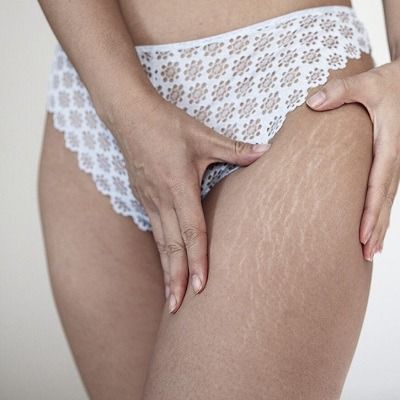
Scar camouflage is often seen as a confidence-restoring approach that helps individuals feel more comfortable with the appearance of visible marks on the skin. It works by blending the scar area more closely with the surrounding skin tone, creating a more even and natural-looking surface. In many cases, people exploring Scar Camouflage in Dubai discover that initial results can be impressive, yet not always permanent or perfectly uniform from the start.
Over time, the skin naturally changes due to factors such as healing cycles, sun exposure, lifestyle habits, and individual skin regeneration speed. Because of these natural variations, a touch-up may become an important step in maintaining a refined and balanced appearance. Touch-ups are not unusual; they are considered a normal part of ensuring long-lasting visual harmony between treated and untreated skin areas.
Understanding How Scar Camouflage Works Over Time
Scar camouflage generally works by introducing carefully matched pigmentation into the upper layers of the skin to visually reduce the contrast between scar tissue and natural skin tone. However, the skin does not remain static. It continuously renews itself, which means pigments can gradually soften or shift in appearance.
There are two commonly understood treatment approaches within scar camouflage techniques that influence how touch-ups may be needed later. One approach focuses on pigment blending, where customized tones are applied to match surrounding skin more closely. Another approach involves micro-level pigment placement that integrates more deeply into scarred tissue for improved visual consistency.
Both approaches aim to reduce visibility, but neither guarantees that the skin will remain unchanged forever. This is why understanding timing for touch-ups becomes essential in maintaining consistent results.
Key Reasons a Touch-Up May Become Necessary
A touch-up is usually considered when the initial improvement begins to fade or when slight unevenness becomes noticeable. One common reason is gradual pigment lightening as the skin naturally regenerates over time. Since scar tissue can respond differently compared to normal skin, pigment retention may vary across treated areas.
Another reason is uneven healing response. Some areas of the skin may hold pigment more effectively than others, resulting in a subtle imbalance that becomes more visible after a few weeks or months. In addition, external environmental exposure can gradually influence how the treated area appears, especially when skin is frequently exposed to sunlight or friction from clothing.
Changes in natural skin tone can also contribute. As a person’s complexion shifts slightly with seasons or age, previously matched pigments may no longer align perfectly, making a touch-up helpful for restoring balance.
Signs That Indicate a Touch-Up Might Be Needed
A touch-up is often considered when the treated area begins to show a lighter appearance compared to the surrounding skin. This can create a faint contrast that was not present immediately after the initial session.
Another indicator is patchy visibility, where certain sections of the scar appear more blended than others. This uneven appearance can develop gradually and may not be noticeable right away.
Sometimes, individuals may also feel that the overall result has softened more than expected, making the scar slightly more visible again under certain lighting conditions. These subtle changes are normal and do not indicate failure of the process, but rather the natural evolution of skin behavior over time.
How the Skin Responds Between Initial Treatment and Touch-Up
The skin’s response to scar camouflage is dynamic and unique to each individual. After the initial treatment, the pigment settles gradually as the skin heals and adjusts. During this period, the final appearance may not be fully visible until several weeks have passed.
As time continues, the treated area stabilizes, but minor changes can still occur due to cellular turnover. Scar tissue in particular tends to behave differently from healthy skin, which can affect pigment retention.
When a touch-up is performed, it typically focuses on refining tone balance, improving symmetry, and reinforcing areas where pigment has naturally faded. This helps restore a more uniform appearance without altering the original intent of the treatment.
Benefits of Timely Touch-Up Sessions
Timely touch-ups help maintain a smooth and consistent appearance, preventing the gradual return of visible contrast between scar tissue and surrounding skin. They also enhance the longevity of the original result by reinforcing pigment stability in areas that may fade more quickly.
Another important benefit is improved visual confidence. When the skin maintains an even tone, individuals often feel more at ease in daily interactions without concern about scar visibility.
Touch-ups also allow for fine adjustments. Since skin tone can subtly change over time, these sessions help keep the camouflage effect aligned with the current complexion rather than the past one.
What to Expect During a Touch-Up Process
A touch-up session is generally more focused and refined compared to the initial procedure. It involves assessing the current condition of the treated area and identifying where pigment has softened or shifted.
The goal is not to start over but to enhance existing results. Adjustments are made carefully to ensure the skin tone remains natural-looking and consistent with surrounding areas. Since the foundation of pigment is already in place, the process is often more precise and targeted.
Healing after a touch-up typically follows a similar pattern to the initial session, where the skin gradually settles and pigment becomes more integrated over time.
Maintaining Long-Lasting Results Through Awareness
While results vary from person to person, understanding how the skin behaves helps set realistic expectations. Scar camouflage is not a one-time permanent alteration but an evolving process that may require occasional refinement.
Being aware of how lifestyle factors, skin type, and natural aging influence pigment behavior allows individuals to better anticipate when adjustments might be helpful. This awareness supports a more consistent and satisfying long-term outcome.
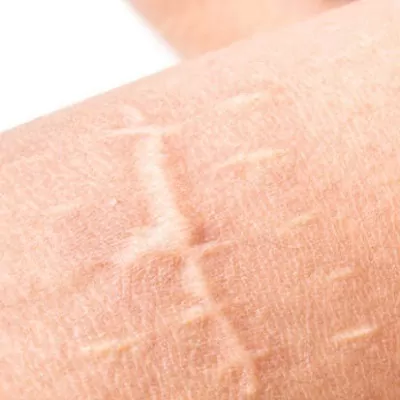
When Touch-Up Becomes a Natural Part of the Journey
For many individuals exploring Scar Camouflage, touch-ups become a natural extension of the journey toward improved skin appearance. Instead of viewing it as repetition, it is better understood as maintenance that supports the original transformation.
The process ensures that the scar remains less noticeable even as the skin continues to evolve over time. With thoughtful timing and careful refinement, the overall appearance can remain smooth and visually balanced.
Conclusion: Maintaining Confidence Through Consistent Care
Touch-ups play an essential role in preserving the results of scar camouflage by addressing natural fading, subtle tone shifts, and uneven pigment retention. Rather than being an indication of failure, they reflect the skin’s ongoing change and the need for refinement over time. When approached thoughtfully, touch-ups help maintain a natural and harmonious appearance that aligns with the individual’s current skin condition. In the broader perspective of aesthetic care, this ongoing refinement ensures that results remain visually satisfying, allowing the skin to continue looking balanced, smooth, and confidently presentable.