
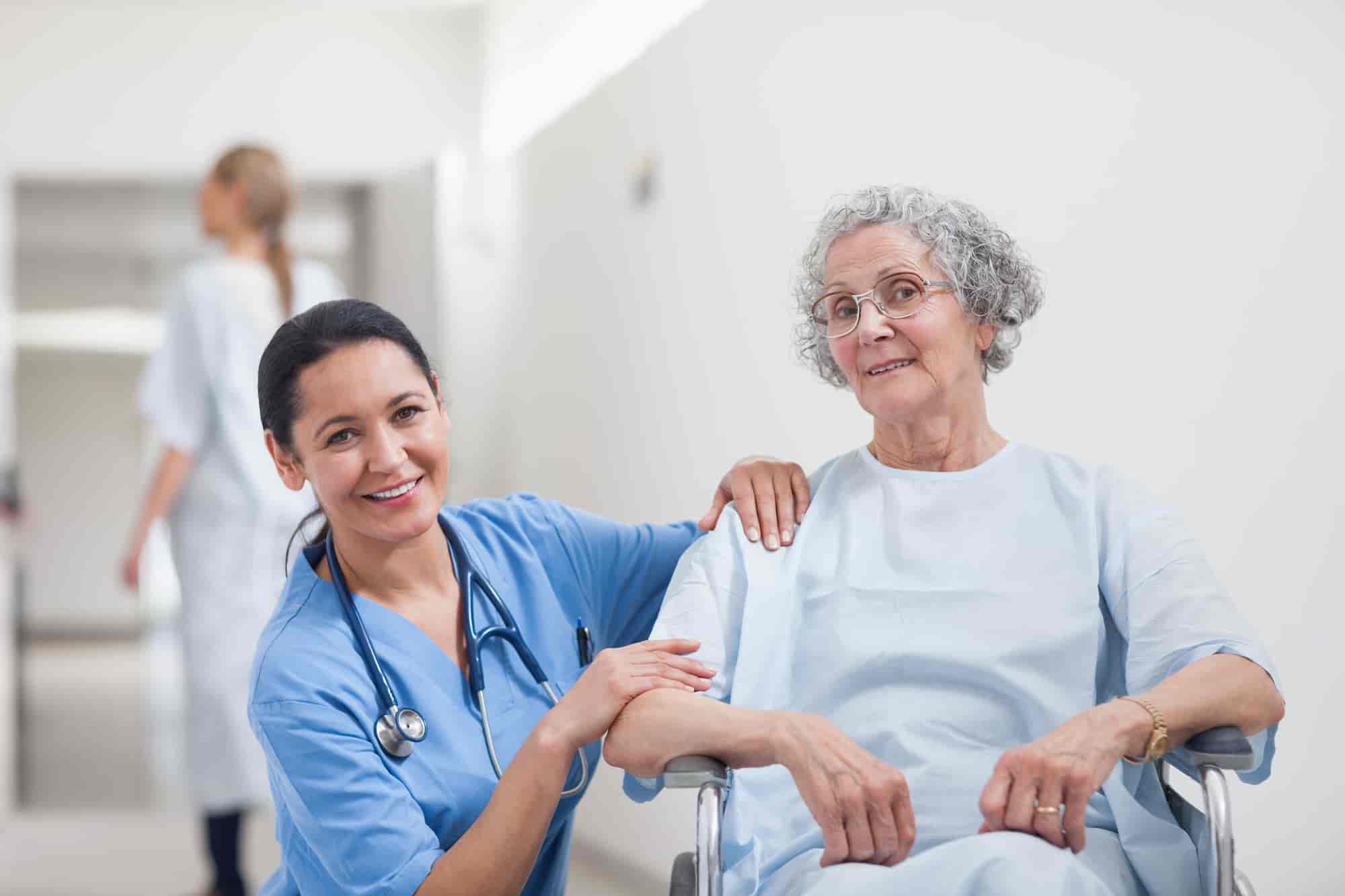
Providing high-quality healthcare at home has become increasingly important in Dubai, where families often seek professional assistance for elderly care, post-operative recovery, chronic illness management, or pediatric support. This is where Home Nursing Services Dubai play a crucial role. These services rely on highly trained staff to ensure patients receive compassionate, skilled, and reliable care in the comfort of their homes. But who is responsible for training these staff members, and what makes them competent to deliver exceptional home care? Let’s explore.
The Role of Training in Home Nursing Services
Quality training is the backbone of home nursing services. Unlike hospital environments, home care presents unique challenges. Nurses and caregivers must not only possess clinical expertise but also the ability to adapt to individual home settings, interact with families, and respond to emergencies independently. Well-trained staff can manage medication administration, wound care, physiotherapy support, and routine health monitoring efficiently.
Proper training ensures that nurses uphold high standards of safety, hygiene, and patient comfort. It also equips them to provide emotional support, a vital aspect of caregiving that is often overlooked but essential in home settings.
Who Provides the Training?
Training for home nursing staff in Dubai is usually provided by a combination of specialized institutions, healthcare organizations, and governmental programs. The key players include:
1. Healthcare Institutions and Hospitals
Many hospitals in Dubai conduct in-house training programs for nurses who wish to transition to home healthcare. These programs focus on practical skills, such as:
Patient assessment and monitoring
Administering injections and medications
Wound care and infection control
Emergency response and first aid
Communication skills with patients and families
Hospitals often provide certification programs that are recognized by the Dubai Health Authority (DHA), ensuring that staff meet the required professional standards.
2. Specialized Nursing Training Institutes
Dubai hosts a number of training institutes dedicated to nursing and allied health professions. These institutes offer courses tailored specifically for home nursing, such as:
Home healthcare management
Geriatric care
Pediatric nursing at home
Chronic illness management (e.g., diabetes, cardiac conditions)
The curriculum is designed to combine theory with hands-on experience, sometimes using simulated home environments to prepare nurses for real-life scenarios. These institutes also focus on soft skills, such as empathy, communication, and cultural sensitivity, which are critical in home care.
3. Governmental and Regulatory Bodies
The Dubai Health Authority (DHA) plays a significant role in regulating and monitoring training standards. It mandates licensing requirements and continuing professional development for all healthcare workers, including home nurses. Through workshops, seminars, and online courses, the DHA ensures that nursing staff remain updated on the latest medical practices and home care techniques.
4. Private Home Nursing Agencies
Some private agencies that offer Home Nursing Services in Dubai take responsibility for training their staff internally. These agencies often recruit nurses with basic qualifications and then provide specialized training to align with their service standards. This approach allows agencies to maintain consistent care quality while focusing on niche areas such as pediatric care, post-surgical recovery, or elderly support.
Key Training Modules for Home Nursing Staff
Training for home nursing staff typically covers both clinical and non-clinical competencies:
Clinical Skills: Vital signs monitoring, medication administration, wound dressing, catheter care, mobility support, and emergency interventions.
Patient Safety: Infection control, proper use of medical equipment, fall prevention, and home safety assessment.
Communication Skills: Educating families, addressing patient concerns, and culturally sensitive interactions.
Ethical and Professional Standards: Confidentiality, respect for patient autonomy, and professional conduct.
Emotional Support: Techniques to reduce patient anxiety, build trust, and provide companionship.
This comprehensive approach ensures that home nurses are not just medically competent but also emotionally intelligent caregivers.
Continuing Education and Skill Upgradation
The healthcare field is ever-evolving, and home nursing is no exception. Continuous education programs, workshops, and refresher courses help nursing staff stay updated on the latest care protocols, technological advancements, and therapeutic techniques. These initiatives are crucial for maintaining accreditation and enhancing the quality of Home Nursing Services in Dubai.
Why Proper Training Matters
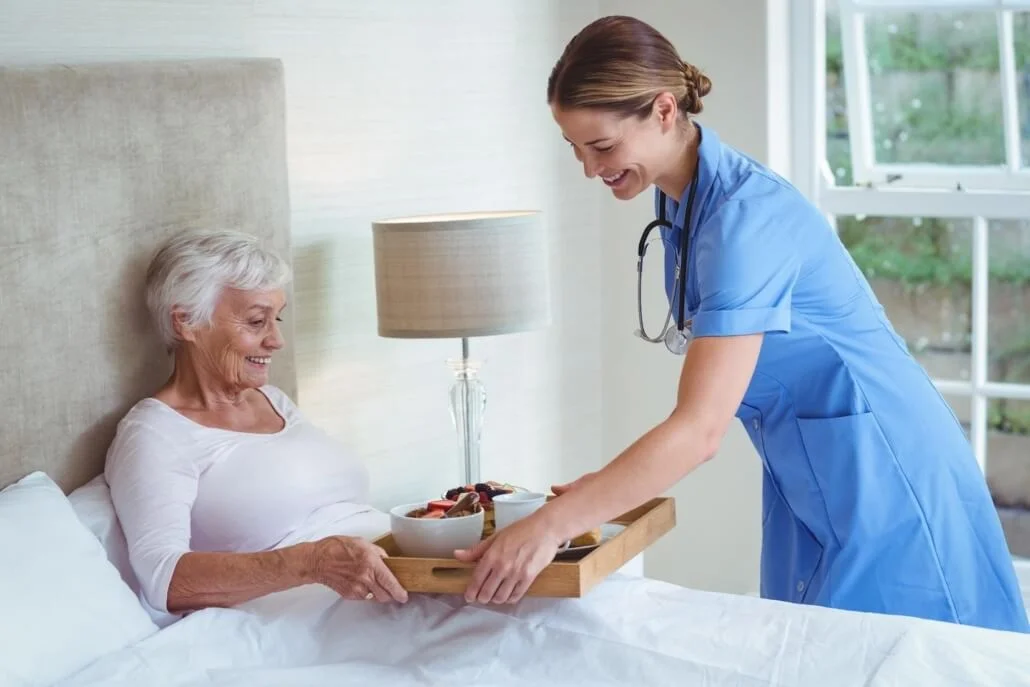
Properly trained staff significantly improve patient outcomes. Families can rely on trained home nurses for consistent and safe care, reducing hospital readmissions and promoting faster recovery. In Dubai, where demand for personalized home care is growing rapidly, training programs ensure that home nursing staff meet international standards while catering to local cultural and social nuances.
Conclusion
The training of home nursing staff in Dubai is a collaborative effort involving hospitals, specialized training institutes, governmental bodies, and private agencies. This multi-layered approach ensures that nurses and caregivers possess the clinical skills, emotional intelligence, and cultural sensitivity necessary to deliver exceptional care.
When families choose Home Nursing Services in Dubai, they can be confident that the staff has undergone rigorous training to provide reliable, compassionate, and professional care in the comfort of their homes. As home healthcare continues to grow in demand, well-trained staff will remain the cornerstone of quality service, ensuring that patients receive the attention and support they deserve.