
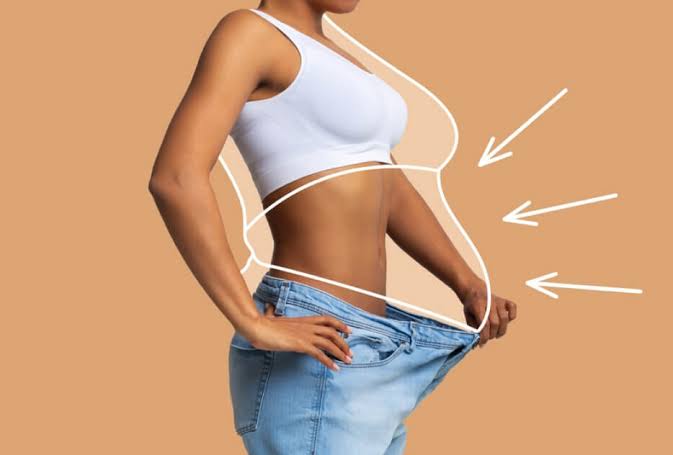
Gastric Bypass Surgery in Dubai can represent an important step toward better overall health for people living with severe obesity and weight-related health concerns. The procedure is designed to reduce the amount of food the stomach can comfortably hold while changing how food travels through the digestive system. This approach can support meaningful weight reduction and may encourage improvements in several conditions linked with excess weight. Beyond changes on the scale, the treatment can help an individual move toward greater physical comfort, improved daily activity, and a healthier long-term lifestyle.
What Is Gastric Bypass Surgery?
Gastric Bypass Surgery in Dubai is a metabolic and weight-management procedure that changes the structure of the digestive system. During the process, a smaller stomach pouch is created, and part of the digestive tract is connected to this new pouch. As a result, the individual generally feels satisfied after eating smaller portions.
The procedure also changes the way nutrients move through the digestive system. These changes can influence appetite, digestion, and metabolic signals involved in weight regulation. The combination of reduced food intake and metabolic changes is one reason the procedure can provide substantial and sustained weight-management support.
How Does the Procedure Work?
The process usually begins with a detailed health assessment. The individual's weight history, existing health conditions, eating patterns, lifestyle, and overall suitability are considered before treatment.
During the operation, the stomach is divided to create a smaller upper pouch. The small intestine is then connected to this pouch so that food follows a modified digestive pathway. The remaining portion of the stomach continues to perform important digestive functions, even though food no longer passes through it in the same way.
The result is both a physical and metabolic change. A smaller stomach capacity encourages smaller meals, while digestive changes can affect hunger and fullness signals. These combined effects can make long-term weight management more achievable when supported by appropriate lifestyle habits.
How Can It Improve Overall Health?
One of the most significant benefits is substantial weight reduction. Losing excess weight can reduce the physical strain placed on the body and make everyday movement more comfortable.
Weight reduction can also support better management of several obesity-related health concerns. Improvements may occur in blood sugar regulation, blood pressure, cholesterol levels, sleep quality, joint comfort, and physical mobility.
For some individuals, better metabolic health can also mean fewer difficulties with everyday activities. Walking, climbing stairs, exercising, and participating in social activities may become easier as excess body weight decreases.
How Can It Support Blood Sugar Control?
Excess body weight is strongly associated with insulin resistance and type 2 diabetes. Gastric bypass can influence metabolic processes in addition to reducing body weight.
Changes in food intake, weight, digestive hormones, and insulin sensitivity can contribute to improved blood sugar regulation. Some individuals may experience significant improvements in diabetes management following the procedure.
This benefit is particularly important because healthier blood sugar levels can support long-term wellbeing and reduce the burden associated with persistent metabolic problems.
How Can It Help Heart Health?
Maintaining a healthier body weight can place less pressure on the cardiovascular system. Weight reduction may contribute to healthier blood pressure and improved cholesterol patterns.
Gastric bypass can therefore form part of a broader strategy for improving cardiovascular health. When combined with regular physical activity, balanced nutrition, sufficient sleep, and ongoing health monitoring, weight reduction can create a stronger foundation for long-term wellbeing.
How Can It Improve Mobility?
Excess weight can place considerable pressure on the knees, hips, ankles, and lower back. This can make movement uncomfortable and discourage physical activity.
As body weight decreases, everyday movement may become easier. Greater mobility can encourage an individual to become more active, creating a positive cycle in which increased activity supports continued fitness and weight management.
Improved mobility can also help an individual participate more comfortably in work, family activities, hobbies, and social experiences.
How Can It Influence Appetite?
Gastric bypass does more than make the stomach smaller. The altered digestive pathway can affect hormones and signals associated with hunger and fullness.
Many individuals experience changes in appetite after the procedure. Smaller meals can provide a stronger feeling of satisfaction, which may make it easier to follow an appropriate eating pattern.
This metabolic aspect is an important reason why gastric bypass is viewed as more than a simple restrictive procedure. It can influence several biological mechanisms involved in appetite and weight regulation.
What Are the Two Main Treatment Approaches?
Two commonly discussed surgical approaches for significant weight management are gastric bypass and sleeve gastrectomy.
Gastric bypass creates a smaller stomach pouch and reroutes part of the small intestine. This means the treatment combines restriction with changes to the digestive pathway and metabolic signals.
Sleeve gastrectomy involves removing a large portion of the stomach and creating a narrower stomach shape. The digestive pathway itself remains intact, but the reduced stomach capacity can encourage smaller meals and changes in appetite regulation.
Both procedures can support substantial weight reduction, but the most appropriate approach depends on the individual's health profile, weight-management history, nutritional needs, and professional assessment.
What Happens After Treatment?
Following treatment, eating habits generally progress gradually as the digestive system adapts. The individual usually begins with carefully selected foods and gradually moves toward a more varied eating pattern according to professional guidance.
Portion awareness becomes especially important because the stomach can hold considerably less food than before. Meals are generally approached slowly, with attention given to fullness signals and nutritional balance.
Regular follow-up also plays an important role. Ongoing health assessments can help monitor weight progress, nutritional needs, dietary habits, and general wellbeing. Long-term success depends not only on the operation but also on consistent lifestyle changes.
Why Lifestyle Habits Still Matter
Surgery can provide a powerful foundation for weight management, but healthy habits remain essential. Balanced meals, appropriate physical activity, adequate hydration, good sleep, and regular health monitoring can reinforce the benefits of treatment.
An individual who develops sustainable routines may find it easier to maintain progress over time. The goal is not simply rapid weight reduction but the development of healthier behaviors that can become part of everyday life.
Frequently Asked Questions
Is Gastric Bypass Only About Losing Weight?
No. Weight reduction is an important outcome, but the broader purpose involves improving metabolic and overall health. Changes in blood sugar regulation, mobility, cardiovascular health, appetite, and physical wellbeing can all contribute to the overall value of treatment.
How Long Does the Procedure Take?
The length of the procedure can vary according to the surgical approach and individual circumstances. A qualified medical team evaluates each case and explains the expected process before treatment.
Can Physical Activity Continue After Treatment?
Physical activity generally becomes an important part of long-term weight management. Activity is usually reintroduced progressively according to professional guidance, allowing the individual to build strength and endurance over time.
Does Eating Change After Gastric Bypass?
Yes. Smaller portions become important because the stomach pouch has a reduced capacity. Eating slowly, choosing nutrient-dense foods, and following individualized dietary guidance can help establish a sustainable eating routine.
Is Long-Term Follow-Up Important?
Yes. Continuing health evaluations can help track weight management, nutrition, physical wellbeing, and lifestyle progress. Regular professional guidance can also help an individual remain focused on sustainable health goals.
Who May Consider This Treatment?
The procedure is generally considered for individuals with severe obesity or significant weight-related health concerns when other approaches have not provided sufficient long-term results. Suitability depends on individual medical circumstances and requires professional evaluation.
Conclusion
Gastric Bypass Surgery in Dubai can offer a transformative approach to weight management by combining reduced stomach capacity with important metabolic changes. Its potential benefits extend beyond weight reduction, with improvements in mobility, blood sugar regulation, cardiovascular health, appetite control, and everyday wellbeing. When the procedure is supported by balanced nutrition, appropriate physical activity, healthy routines, and continued professional monitoring, it can become part of a sustainable journey toward improved health and a more active lifestyle.