
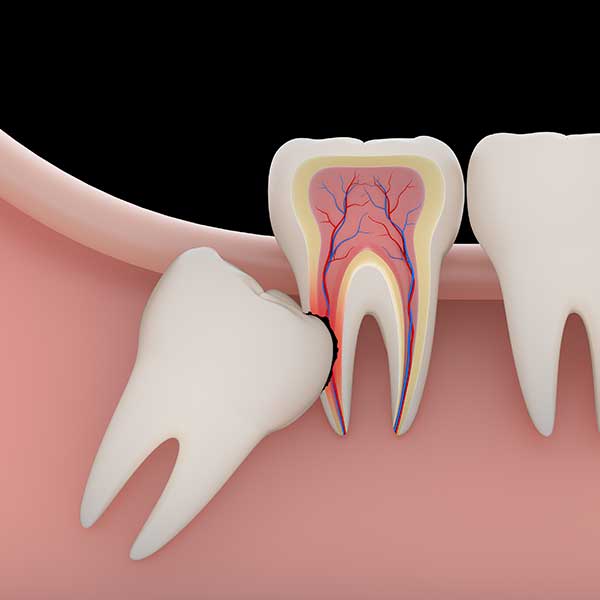
Gum discomfort linked with wisdom teeth can gradually interfere with daily comfort, chewing ability, and overall oral well-being. In many situations, persistent pain around the back of the mouth is not just temporary irritation but a signal of deeper dental pressure or impaction. When discomfort continues without improvement, it often leads to the consideration of Wisdom Tooth Extraction in Dubai as a reliable solution for long-term relief and oral stability. This condition usually develops when wisdom teeth do not have enough space to emerge properly, leading to inflammation, pressure, and recurring soreness in the gums.
Understanding the Connection Between Gum Pain and Wisdom Teeth
Gum pain near the rear of the mouth is commonly associated with wisdom teeth trying to erupt in a limited space. These teeth are the last to develop, and in many cases, they struggle to align correctly with existing teeth. As a result, the surrounding gum tissue becomes irritated and sensitive.
The pressure created by impacted or partially erupted wisdom teeth can lead to discomfort that spreads across the jaw. This happens because the gums are continuously exposed to strain from the emerging tooth structure. Over time, this discomfort becomes more noticeable during chewing or speaking, making everyday activities feel less comfortable.
Why Gum Pain Develops Around Wisdom Teeth
Gum pain in this region is not random; it usually develops due to specific underlying dental conditions. One of the most common reasons is lack of space in the jaw, which prevents proper alignment. When teeth attempt to grow in a restricted area, they push against nearby structures, causing soreness.
Another reason is partial eruption, where the wisdom tooth only breaks through the gum partially. This leaves an opening where pressure builds underneath the gum tissue. The discomfort may come and go but often returns with increased intensity.
In some cases, the gum becomes more sensitive due to continuous pressure from adjacent teeth. This chain reaction can lead to persistent irritation that does not improve without addressing the root cause.
Treatment Approaches for Persistent Gum Pain
Dental professionals generally consider two main approaches when managing gum pain related to wisdom teeth. The first approach involves monitoring the condition when symptoms are mild and do not affect daily activities significantly. During this stage, the focus remains on observing changes in discomfort and jaw movement over time.
The second and more definitive approach involves removal of the wisdom tooth when pain becomes ongoing or worsens. This step is often recommended when the tooth position is unlikely to improve naturally. In such cases, Wisdom Tooth Extraction in Dubai is considered to relieve pressure and prevent further gum irritation.
Both approaches aim to support oral comfort, but the decision depends on how the gum tissue and surrounding teeth are responding to the wisdom tooth’s position.
Signs That Gum Pain May Require Removal
Gum pain associated with wisdom teeth often presents certain patterns that indicate the need for further attention. Persistent discomfort at the back of the mouth is one of the most noticeable signs. This pain may increase while chewing or opening the mouth widely.
Swelling around the gum area can also indicate that the wisdom tooth is not erupting properly. In some situations, the gum may feel tight or tender, making brushing and routine cleaning uncomfortable.
Jaw stiffness is another common sign, where movement feels restricted due to pressure from the developing tooth. When these symptoms continue over time, they suggest that the underlying cause may not resolve without addressing the wisdom tooth itself.
How the Extraction Process Supports Gum Relief
The removal of wisdom teeth is designed to eliminate the source of pressure that causes gum pain. Once the tooth is taken out, the surrounding gum tissue is no longer exposed to internal stress, allowing it to gradually return to a more comfortable state.
This process helps restore balance within the mouth by preventing overcrowding and reducing irritation caused by impacted teeth. As a result, individuals often experience a noticeable reduction in gum sensitivity over time.
The goal of the procedure is not only to address current discomfort but also to prevent future complications related to misaligned or trapped wisdom teeth.
Recovery and Oral Comfort After Removal
After the procedure, the gums naturally begin to adjust as the area heals. The body works to close the space left by the removed tooth, and the surrounding tissues gradually regain stability. During this phase, comfort levels typically improve as pressure is no longer present.
Most individuals notice that chewing and speaking become easier as healing progresses. The gum area slowly strengthens, reducing sensitivity and supporting overall oral balance. This stage is an important part of restoring normal mouth function after prolonged discomfort.
Frequently Asked Questions
What causes gum pain near wisdom teeth?
Gum pain often develops due to limited space in the jaw, partial eruption, or pressure from misaligned wisdom teeth that strain surrounding tissue.
Can gum pain disappear without treatment?
In some mild cases, discomfort may reduce temporarily, but persistent pain usually indicates an underlying issue that may need professional attention.
Why do wisdom teeth create pressure in the gums?
Wisdom teeth often grow in areas with restricted space, causing them to push against nearby teeth and gum tissue, which leads to discomfort.
Is gum pain always related to wisdom teeth?
Not always, but when pain occurs at the back of the mouth, wisdom teeth are a common contributing factor that requires evaluation.
How does removal help long-term oral comfort?
Removing the wisdom tooth eliminates the source of pressure, allowing the gums and surrounding structures to stabilize and heal naturally.
When Gum Pain Indicates a Need for Removal
When gum discomfort becomes repetitive and affects daily comfort, it often signals that the wisdom teeth are not aligning properly within the mouth. In such cases, Wisdom Tooth Extraction becomes an important option to restore balance and prevent ongoing irritation. This approach helps address the root cause rather than temporarily easing the symptoms, supporting long-term oral stability and improved gum health.
Conclusion
Gum pain related to wisdom teeth is often a sign of underlying pressure, restricted growth, or misalignment that should not be ignored. Understanding how these teeth affect surrounding gum tissue helps in recognizing when intervention is necessary. By addressing the source of discomfort through proper evaluation and treatment, long-term oral comfort and stability can be achieved.