
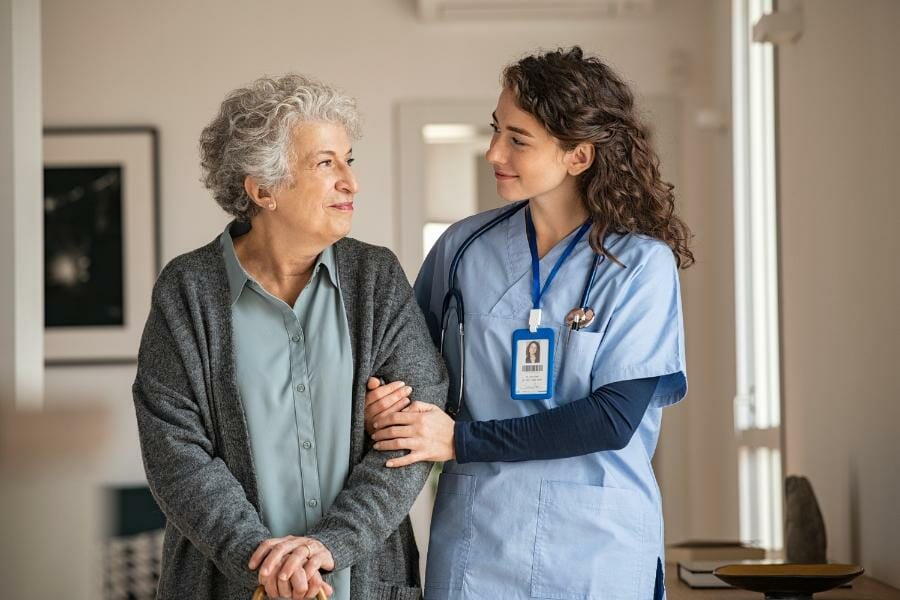
In modern healthcare approaches, comfort and personalized attention play a major role in healing. Many individuals prefer recovery in familiar surroundings where emotional support and daily routines feel natural. This is where Home Nursing Services in Dubai plays an important role in improving recovery outcomes by offering structured care within a home setting. It allows individuals to receive professional-level attention while staying close to family, which often leads to better comfort and stability during healing.
Supportive Recovery Environment at Home
A home environment naturally provides emotional ease and psychological comfort, which are essential during recovery. Patients often feel more relaxed when surrounded by familiar faces and personal belongings. This sense of security helps the body focus more on healing rather than stress or anxiety. Recovery becomes smoother when daily routines are not completely disrupted, allowing individuals to regain strength at their own pace.
How Personalized Care Enhances Healing
Personalized attention is one of the strongest advantages of home-based recovery support. Care is tailored according to individual needs, whether the person requires mobility assistance, medication reminders, or continuous observation. This focused approach ensures that each person receives attention based on their specific condition rather than a general routine. Such care encourages consistency and helps in maintaining overall well-being throughout the healing journey.
Common Types of Home Nursing Support
Post-operative care assistance
Post-operative support focuses on helping individuals recover after medical procedures. It includes monitoring comfort levels, ensuring rest, and supporting daily movement in a safe manner. This type of care helps individuals regain independence gradually while minimizing complications during recovery.
Chronic condition support
Individuals dealing with long-term health conditions often require ongoing assistance to manage daily needs. Home-based support helps them maintain stability, follow care routines, and remain comfortable in their environment. This continuous care plays a key role in improving quality of life.
Elderly assistance and daily living support
Older individuals often need help with routine activities such as mobility, personal care, and maintaining daily structure. Home-based assistance ensures they remain safe, comfortable, and supported while continuing to live in a familiar setting.
Step-by-step care process at home
The care process typically begins with understanding the individual’s condition and daily needs. Once assessed, a structured plan is followed to ensure consistent support throughout recovery. Care providers focus on monitoring progress, maintaining comfort, and assisting with routine activities. Communication with family members is also an important part of the process, ensuring everyone remains informed and involved in the recovery journey. This structured yet flexible approach helps maintain stability while adapting to changing needs.
Emotional comfort and family involvement
Emotional support plays a significant role in recovery. Being surrounded by family members creates a positive environment that encourages motivation and mental well-being. This emotional strength often contributes to faster healing, as individuals feel more supported and less isolated. The presence of loved ones also helps reduce stress levels, which can positively influence physical recovery.
Monitoring health progress at home
Continuous observation is an essential part of home-based recovery support. Regular monitoring helps ensure that any changes in condition are noticed early and addressed appropriately. This proactive approach helps maintain stability and supports smoother recovery progress. It also provides reassurance to family members, knowing that the individual’s condition is being observed carefully in a structured manner.
Addressing common concerns about home-based care
Many individuals and families initially wonder whether home-based recovery can provide the same level of attention as traditional care settings. However, structured home support focuses on individualized attention, ensuring that care is consistent and responsive. Another common concern is safety during recovery, which is managed through careful planning and attention to daily routines. With proper guidance and support, home-based care becomes a reliable option for many recovery situations.
Why this approach supports faster recovery
Healing often improves when individuals feel emotionally secure and physically comfortable. Home-based care reduces unnecessary stress and allows individuals to rest in a familiar environment. This balance of comfort and structured attention contributes to improved recovery outcomes. It also encourages independence at a gradual pace, helping individuals regain confidence during their healing journey.
Frequently Asked Questions
What makes home-based recovery different from other care settings?
Home-based recovery focuses on personalized attention in a familiar environment, which helps individuals feel more comfortable and emotionally supported during healing.
Is home-based care suitable for long-term recovery needs?
Yes, it can support long-term needs by offering continuous assistance and structured daily support tailored to individual conditions.
How does family involvement impact recovery?
Family involvement provides emotional encouragement and motivation, which can positively influence overall healing progress.
Can home-based care adapt to changing recovery needs?
Yes, care plans are flexible and can be adjusted based on progress and evolving requirements to ensure consistent support.
In many recovery journeys, Home Nursing Services continues to be recognized as a valuable option that combines comfort, structured attention, and emotional stability. It allows individuals to heal in a supportive environment where both physical and emotional needs are addressed together, leading to a more balanced recovery experience.
Conclusion
Home-based recovery support represents a thoughtful and compassionate approach to healing that prioritizes comfort, individuality, and emotional well-being. By combining structured assistance with a familiar environment, it helps individuals progress steadily while maintaining dignity and independence. The integration of personalized attention, family involvement, and continuous monitoring creates a well-rounded recovery experience. This approach not only supports physical healing but also strengthens emotional resilience, making the entire journey more balanced, reassuring, and positively transformative for individuals seeking consistent care within the comfort of their home environment.