
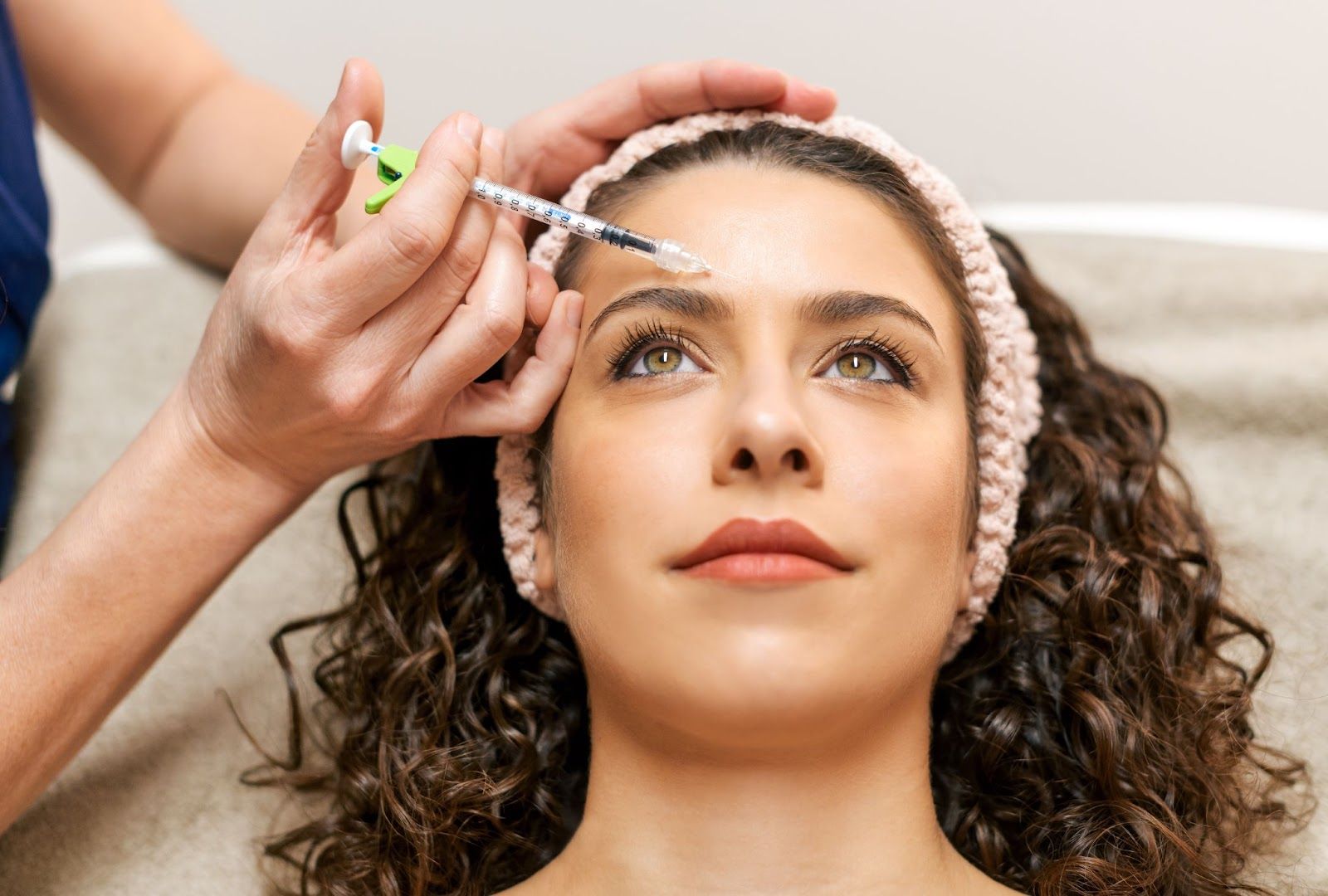
Plasma Pen Treatment is widely discussed for its ability to enhance skin appearance without the need for invasive procedures. This approach is known for offering visible skin tightening and rejuvenation effects while avoiding traditional surgical methods. Its popularity continues to grow because it focuses on surface-level precision rather than cutting or stitching the skin, making it appealing for those seeking a gentler path to aesthetic improvement.
Understanding Plasma Pen Technology
The Plasma Pen Treatment in Dubai approach is based on controlled energy that interacts with the upper layers of the skin. Instead of physically removing or cutting tissue, it creates a focused response on the skin surface. This encourages natural tightening behavior in the treated area without going beneath the skin in a surgical manner.
The technique is designed to work on the outermost skin layer, where many visible signs of aging or texture changes appear. By targeting this layer directly, it avoids deeper structural intervention, which is typically associated with surgical procedures.
Why It Is Considered Non-Surgical
The main reason this method is classified as non-surgical lies in how it interacts with the skin. There are no incisions, no stitches, and no removal of large tissue sections. Instead, the process focuses on controlled surface stimulation.
Unlike surgical approaches that involve structural changes beneath the skin, this method works externally. It relies on precision energy application rather than physical alteration of deeper tissues. Because of this, it fits into the category of non-invasive aesthetic techniques.
This makes Plasma Pen Treatment in Dubai especially appealing to individuals who prefer visible enhancement without undergoing surgical intervention or extended recovery processes.
How the Process Works
The process begins with careful preparation of the skin surface, ensuring it is ready for targeted application. A controlled device is then used to deliver small, precise energy points on the outer layer of the skin. These points are designed to create a tightening response in a localized manner.
As the skin reacts, it gradually appears firmer and more refined over time. The approach does not involve cutting or reshaping tissue but instead relies on natural skin response mechanisms. This makes it fundamentally different from surgical techniques that require physical alteration of skin structure.
The gradual nature of the outcome also contributes to its appeal, as changes appear progressively and blend naturally with existing facial or skin features.
Key Benefits of a Non-Surgical Approach
One of the most important advantages of this method is its minimal invasiveness. Since there is no surgical cutting, the skin remains structurally intact while still undergoing visible improvement.
Another benefit is the focused nature of the treatment. It allows attention to specific areas such as fine lines, mild sagging, or uneven texture without affecting surrounding skin unnecessarily.
The technique is also valued for its precision. Small, controlled applications ensure that the treatment remains targeted and consistent. This contributes to a more refined and natural-looking outcome.
Additionally, the non-surgical nature means it is often chosen by individuals who want aesthetic enhancement without undergoing major procedural changes.
Who May Consider It
This method is often considered by individuals who notice early to moderate signs of skin aging. It can appeal to those who prefer gradual enhancement rather than dramatic structural alteration.
People who are cautious about surgical procedures may also find this approach suitable due to its external application style. It offers an alternative path for those seeking skin refinement without invasive techniques.
It is also commonly chosen by individuals who value subtle and natural-looking improvements rather than immediate and highly dramatic changes.
Safety and Comfort Considerations
The technique is designed with controlled application in mind, focusing on precision and surface-level interaction. Because it avoids surgical cutting, it naturally reduces the intensity associated with invasive procedures.
Comfort during the process is often supported through careful preparation and controlled energy delivery. The method is structured to maintain balance between effectiveness and skin responsiveness, ensuring the experience remains measured and focused.
Its non-invasive nature contributes to its reputation as a modern aesthetic option that prioritizes skin integrity while delivering visible improvement.
Why It Appeals for Modern Aesthetic Needs
Modern aesthetic preferences often lean toward treatments that enhance appearance while maintaining a natural look. This method aligns with that preference by avoiding dramatic alteration.
It supports a gradual transformation, which allows individuals to adapt comfortably to their evolving appearance. The subtle nature of results makes it suitable for those who prefer understated enhancement.
In addition, the technique fits well into the growing demand for procedures that do not rely on surgical intervention. This reflects a broader shift toward less invasive cosmetic solutions.
Common Questions
How is it different from surgical skin tightening methods?
It differs because it does not involve cutting, stitching, or removing skin. Instead, it focuses on surface-level energy application that encourages tightening without structural surgery.
Does it change facial structure?
No, it does not alter facial structure. It works on the outer skin layers, aiming for improvement in texture and firmness rather than reshaping underlying tissues.
Why is it called non-surgical?
It is called non-surgical because it avoids invasive procedures such as incisions or internal tissue modification. The approach remains external and controlled.
Is it suitable for all skin types?
It is generally considered adaptable to different skin types since it focuses on surface-level application rather than deep tissue work.
Plasma Pen Treatment is often highlighted as a non-surgical option because it delivers visible skin refinement without involving invasive procedures or structural alteration. This makes it an appealing choice for those who want noticeable improvement while maintaining a gentle and surface-based approach to skin care.
Conclusion
The non-surgical nature of this technique is defined by its ability to enhance skin appearance without cutting, stitching, or altering deeper structures. It focuses entirely on controlled surface interaction, making it a modern alternative to traditional surgical methods. With its precision-based approach and gradual results, it continues to attract attention from individuals seeking refined skin improvement without invasive intervention.